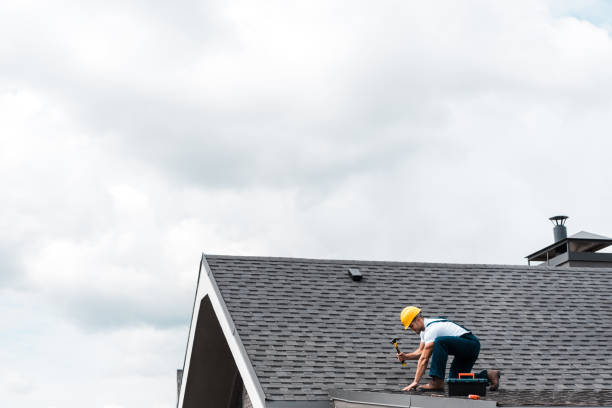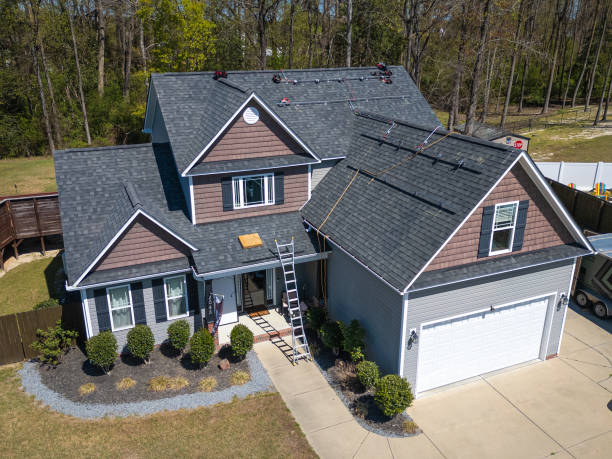
For homeowners, the roof is one of the most important parts of a property. It helps protect the home from intense sunlight, heat, wind, rain, dust, and moisture while also contributing to its overall appearance and comfort. Understanding your roofing system can help you make better decisions about maintenance, repairs, replacement, and long-term care.
For homeowners researching residential roofing El Paso, local climate conditions are especially important. El Paso experiences blazing summers, cold winters, dust storms, forceful winds, and occasional severe weather. These conditions can affect roofing materials and influence how often a roof needs inspection or maintenance.
This guide explains the basics of residential roofing, common roofing options, local climate considerations, expected roof lifespan, maintenance requirements, and how to choose an appropriate roofing solution for your home.
What Does Residential Roofing Include?
Residential roofing is more than the visible covering installed on top of a home. A complete roofing system includes several components that work together to protect the structure and interior. These can include the roof covering, underlayment, flashing, attic ventilation, insulation, and other supporting components.
When one part of the system develops a problem, it can affect other areas. For example, damaged flashing may allow moisture to enter, while inadequate ventilation can contribute to heat and moisture buildup in the attic. This is why professional residential roofing should consider the entire system rather than only the surface.
Common Residential Roofing Services
Homeowners may need different services throughout the life of a roof. Depending on the property’s condition, residential roofing services can include:
- Roof inspections and maintenance
- Roof repairs and storm damage repairs
- Roof installation and replacement
- Roof coating
- Flat roofing and membrane systems
Regular inspections can help identify developing problems, while repairs can address localized damage. When a roof reaches the end of its useful life or has extensive deterioration, replacement may become the more practical solution.
Why Your Roofing System Matters
A properly maintained roofing system provides an important barrier between your home and El Paso’s outdoor conditions. It helps protect the structure from heat, wind, rain, dust, and moisture intrusion.
Roofing also plays a role in the home’s overall appearance and can influence how well the property handles changing weather conditions. Because roofing components work together, homeowners should consider installation quality, ventilation, insulation, drainage, and maintenance along with the visible roof covering.
What Types of Residential Roofing Are Available in El Paso?
There is no single roofing solution that works for every El Paso home. Different properties have different roof designs, slopes, structural requirements, architectural styles, budgets, and maintenance expectations.
The most appropriate option depends on how the home is designed and how the roofing system is expected to perform in the local environment. Homeowners researching types of residential roofing should therefore compare more than appearance or initial price.
Asphalt Shingles
Asphalt shingles are a widely used residential roofing option because they are available in numerous styles and colors and can work with many home designs. Their installation process is also familiar to many roofing professionals, making them a practical choice for many homeowners.
In El Paso, Escandon identifies this material as an option for homes exposed to intense heat, UV radiation, and occasional storms. Its general expected lifespan is approximately 20 to 30 years, although actual performance depends on installation, maintenance, weather exposure, and other conditions.
Homeowners should consider both the initial investment and ongoing maintenance requirements when evaluating this option.
Metal Roofing
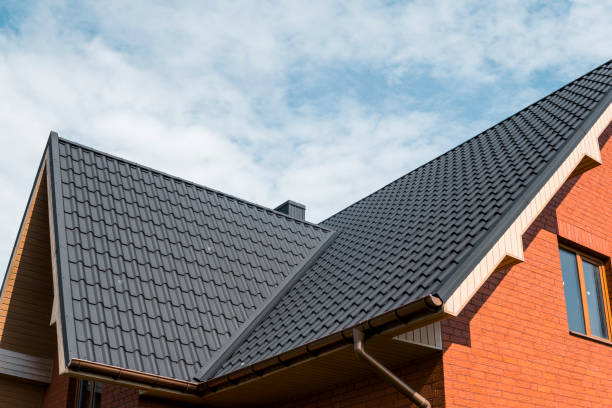
Metal roofing is another option for homeowners who prioritize durability and long-term performance. Depending on the product and installation, metal systems can provide strong resistance to various weather conditions and may have a longer service life than some conventional roofing options.
Metal roofing can also provide a distinctive appearance, with different profiles and finishes available for residential properties. However, the initial investment can be higher, so homeowners should consider the expected lifespan, maintenance requirements, installation quality, and overall value rather than comparing purchase price alone.
Tile Roofing
Tile roofing can provide a distinctive architectural appearance and is often considered for homes where durability and long-term aesthetics are important. Different tile products can create different visual styles, allowing homeowners to coordinate the roof with the property’s exterior design.
One important consideration is weight. Before installing a tile system, the home’s existing structure and roof design should be evaluated to determine whether the system is appropriate. Maintenance and installation requirements should also be considered when calculating the long-term investment.
Flat Roofing and TPO Membranes
Not every residential property has a conventional sloped roof. Some homes have flat or low-slope sections that require specialized roofing systems. These areas need materials and installation methods designed specifically for their slope and drainage characteristics.
Escandon includes flat roofing and TPO membranes among its residential roofing options. Homeowners with these roof designs should have the system evaluated by a professional familiar with low-slope applications rather than assuming the same solution used on a steeply pitched roof will be suitable.
How Does El Paso’s Climate Affect Residential Roofing?
Climate is one of the most important considerations when evaluating residential roofing El Paso TX. The city’s intense summer heat, strong sunlight, UV exposure, dust storms, wind, temperature changes, and occasional severe weather can all contribute to roof wear.
A roofing system that performs well requires more than an appropriate material. Installation quality, ventilation, flashing, drainage, maintenance, and the condition of supporting components can all affect how the roof handles local weather.
Heat and UV Exposure
El Paso receives significant sunlight throughout the year, and prolonged exposure to heat and UV radiation can contribute to material aging and surface deterioration. Over time, these conditions may affect the appearance and performance of roofing components.
Homeowners should consider how a selected roofing system is designed to handle the local environment. Regular inspections can also help identify signs of deterioration before they develop into larger problems.
Wind, Dust and Storm Exposure
Strong winds and dust storms can introduce additional challenges for residential roofs. Debris may accumulate around roof surfaces, drainage areas, and other components, while severe weather can contribute to physical damage.
After significant storms, homeowners should look for potential problems such as:
- Damaged or displaced roof components
- Cracked or damaged flashing
- Debris accumulation
- Signs of moisture intrusion
A professional inspection after significant weather can help determine whether visible or less obvious damage requires attention.
Ventilation and Insulation Matter Too
Homeowners should not evaluate roofing materials in isolation. The roof covering, underlayment, attic ventilation, and insulation all contribute to the performance of the overall roofing system.
Proper attic ventilation and insulation can be especially important in a climate with significant heat exposure. During an inspection, a roofing professional can evaluate these components and identify conditions that may affect the roof’s long-term performance.
How Long Does a Residential Roof Last in El Paso?
There is no universal residential roof lifespan because longevity depends on several factors. The roofing material is important, but installation quality, weather exposure, roof design, maintenance, ventilation, existing damage, and the quality of previous repairs can also make a significant difference.
Escandon notes that roofs can have lifespans ranging from roughly 10 years to 70 years or more depending on the roof type and conditions. Many conventional roofing systems fall within a general 20 to 40-year range when properly maintained. These figures should be viewed as general expectations rather than guarantees.
When Should a Homeowner Consider Replacement?
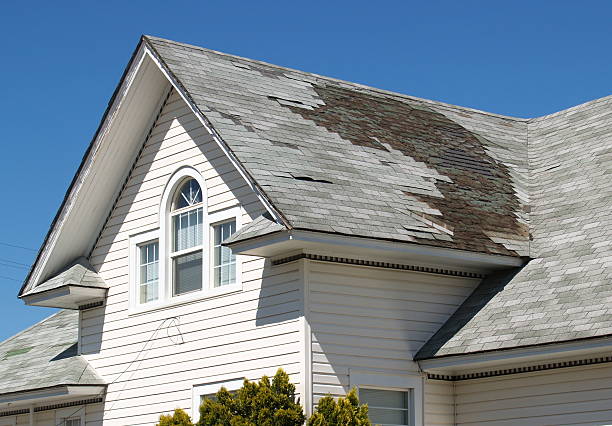
Replacement may be worth considering when a roof has reached an advanced age or developed widespread deterioration. Persistent leaks, recurring repair needs, significant damage, and extensive wear can indicate that continued repairs may no longer be the most practical approach.
However, age alone does not always determine whether replacement is necessary. A professional roof inspection El Paso homeowners can rely on can help evaluate the roof’s actual condition and determine whether repairs or replacement make more sense.
How to Maintain Residential Roofing in El Paso
Regular maintenance is one of the simplest ways homeowners can stay aware of their roof’s condition. El Paso’s weather makes this particularly important because heat, UV exposure, dust, wind, and storms can gradually affect roofing components.
Maintenance should focus on identifying small issues before they become more extensive. It should also include professional inspections rather than relying only on what can be seen from the ground.
Schedule Regular Roof Inspections
Escandon Roofing recommends professional roof inspections at least twice a year, generally during spring and fall. Inspections are also recommended after significant weather events such as dust storms or hail.
These inspections can help identify damage, deterioration, drainage concerns, flashing problems, and other conditions that may not be obvious to homeowners. Keeping a record of inspections can also help homeowners understand how their roof’s condition changes over time.
Watch for Early Warning Signs
Homeowners should pay attention to changes around the roof and inside the home. Warning signs can include:
- Loose or missing roofing components
- Water stains or leaks
- Sagging areas
- Surface deterioration or material loss
- Cracked flashing
- Gutter overflow
Seeing one of these signs does not automatically mean the entire roof needs replacement. It does indicate that further evaluation may be appropriate.
Address Small Problems Promptly
A minor roofing issue can become more complicated if it remains unaddressed. For example, a small area of damage or a flashing problem may eventually allow moisture to enter other parts of the roofing system.
Prompt inspections and repairs can help homeowners understand the scope of a problem and determine the appropriate next step. Regular maintenance is therefore not only about fixing visible damage but also about staying ahead of developing issues.
How Can El Paso Homeowners Choose the Right Residential Roofing Solution?
Choosing a roofing solution should begin with the condition and design of the home rather than a material selected in advance. A professional can evaluate the existing system and explain which options are appropriate for the property.
Homeowners can use the following framework when comparing roofing options for El Paso homes.
1. Assess the current roof
Start with a professional inspection, especially if the roof is older, leaking, or showing visible deterioration. The inspection can help determine whether repair, maintenance, or replacement should be considered.
2. Consider the home’s design
Roof pitch, structure, architectural style, drainage, and existing roofing components can influence which systems are appropriate.
3. Consider El Paso’s climate
Heat, UV exposure, wind, dust, and storms should all be considered when evaluating roofing materials and system components.
4. Compare roofing materials
Consider durability, appearance, maintenance requirements, expected lifespan, installation requirements, and budget rather than focusing only on the initial price.
5. Consider the complete roofing system
Look beyond the visible roof covering. Underlayment, flashing, ventilation, insulation, and drainage can all influence overall performance.
6. Choose an experienced local roofing professional
A qualified roofing contractor El Paso homeowners can trust should explain why a particular solution fits the home. Local experience can also help contractors understand the weather conditions and common roofing challenges found in the area.
Conclusion
Residential roofing in El Paso should be viewed as a complete roofing system rather than simply a choice between different roof coverings. The right solution depends on the home’s design, existing roof condition, material characteristics, expected lifespan, maintenance needs, budget, and exposure to local weather. Intense heat, UV radiation, dust storms, strong winds, and occasional severe weather can all influence roof performance, making regular inspections and timely maintenance especially important. Whether you need a repair, replacement, inspection, maintenance service, or a new residential roofing system, working with an experienced local professional can help you make an informed decision based on your home’s specific needs.
Contact us today to schedule a residential roof inspection and discuss the right roofing solution for your El Paso home.
Frequently Asked Questions
1. What is residential roofing?
Residential roofing refers to the roofing systems and services used to protect homes. It can include roof installation, inspections, repairs, replacement, preventative maintenance, coatings, storm damage services, and different roofing materials and systems.
2. What types of residential roofing are available in El Paso?
Common options include asphalt shingles, metal roofing, tile roofing, and certain flat-roof or membrane systems. The appropriate option depends on the home’s structure, design, roof slope, climate exposure, maintenance expectations, and budget.
3. What is the best residential roofing material for El Paso?
There is no single best material for every property. The right choice depends on the home’s structure, roof design, expected lifespan, maintenance requirements, climate exposure, appearance preferences, and available budget.
4. How long does a residential roof last in El Paso?
Roof lifespan varies considerably by material and conditions. General expectations can range from around 10 years to 70 years or more, while many conventional roofing systems fall within approximately 20 to 40 years. These are general ranges, not guarantees.
5. How often should I have my residential roof inspected?
Professional inspections should generally be scheduled at least twice a year. Spring and fall are common times for inspections, and an additional inspection may be appropriate after significant weather events such as dust storms or hail.
6. What are common signs of residential roof damage?
Common warning signs include loose or missing roofing components, leaks, interior water stains, sagging areas, surface deterioration, damaged flashing, and gutter overflow. Any of these signs can justify a professional evaluation.
7. Does El Paso’s climate affect roof lifespan?
Yes. Prolonged heat and UV exposure, wind, dust, storms, and temperature changes can contribute to roofing wear. Installation quality, ventilation, maintenance, and the selected roofing system can also influence how long a roof performs.
8. Should I repair or replace my residential roof?
The answer depends on the roof’s age, condition, extent of damage, and history of repairs. A professional inspection can help determine whether targeted repairs are appropriate or whether a complete residential roof replacement would be a better long-term solution.