Choosing the right roofing material is an important decision for any homeowner. A roof affects the protection, appearance, maintenance requirements, and long-term value of a home. With several residential roofing materials available, it can be difficult to know which option makes the most sense for a particular property.
For homeowners researching residential roofing El Paso, the local climate should be an important part of the decision. Intense sunlight, high temperatures, strong winds, dust, seasonal storms, and temperature changes can all influence how a roofing system performs over time.
There is no single best roofing material for every home. The right choice depends on the property’s roof design, pitch, structure, climate exposure, expected service life, maintenance preferences, appearance, and budget. Understanding these factors can help homeowners make a more informed decision before starting a residential roof replacement El Paso project.
What Factors Should You Consider When Choosing a Residential Roofing Material?
Selecting a roofing material should begin with the home itself rather than with a particular product. Different roofing systems have different installation requirements, weight considerations, maintenance needs, and expected service lives.
Homeowners should evaluate how the roof is designed, how much weather exposure it receives, and what they expect from the new system. Looking at the complete picture can help prevent a material from being selected simply because it looks attractive or has a lower initial price.
Roof Pitch and Slope
Roof pitch describes the steepness or slope of a roof. It affects how water moves across the surface, how roofing materials are installed, and which systems may be appropriate for the structure.
A steeper roof can have different drainage and installation requirements than a low slope roof. The pitch can also influence the appearance of the finished roof and the overall architectural character of the home.
Before selecting from different types of residential roofing, homeowners should have the roof’s pitch evaluated by a qualified professional. This helps ensure that the selected material is compatible with the home’s design and installation requirements.
Home Design and Curb Appeal
The roof is a major visual element of a home, so its appearance should complement the property’s architectural style. A material that looks appropriate on one type of house may not create the same effect on another.
Homeowners should consider the exterior finishes, roof shape, color scheme, windows, siding, stucco, landscaping, and surrounding neighborhood when comparing roofing options. The goal is to create an exterior appearance that feels cohesive rather than choosing a roof in isolation.
Escandon notes that the roof plays an important role in a home’s overall appearance and that a new roof can improve curb appeal. This makes appearance an important consideration alongside performance and durability.
Climate, Durability, Maintenance and Budget
A practical way to compare roofing materials is to consider four factors together: climate, durability, maintenance, and total investment. Each factor can influence whether a particular material makes sense for your property.
For example, a homeowner may prioritize long service life, while another may place greater importance on initial affordability or low maintenance. The best choice depends on the property’s requirements and the homeowner’s long term plans.
Instead of asking which material is universally best, ask which material provides the right combination of performance, appearance, maintenance, and cost for your home.
Which Roofing Materials Work Well for Homes in El Paso?
El Paso homeowners have several roofing options to consider. Each material comes with its own characteristics, installation requirements, appearance, and expected performance.
The right option depends on the roof structure and the homeowner’s priorities. A professional inspection can help determine which systems are suitable before a final material is selected.
Traditional Composite Roofing
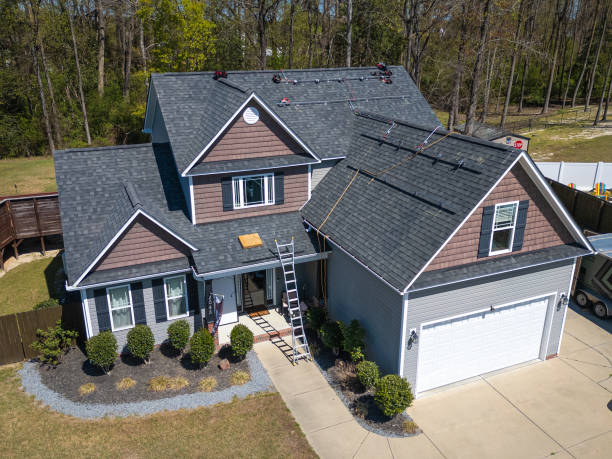
Traditional composite roofing is widely used in residential applications because it offers homeowners a practical combination of appearance, availability, installation, and cost considerations. These products are available in various styles and colors, allowing homeowners to coordinate the roof with their home’s exterior.
For many properties, this type of roofing can provide a straightforward option for homeowners who want a familiar residential system. The expected service life depends on product quality, installation, weather exposure, ventilation, and maintenance.
Escandon currently identifies this category as an option for El Paso homes and gives an approximate 20 to 30 year lifespan for its conventional residential roofing option. Homeowners should treat this as an expected range rather than a guarantee because actual performance varies by project and environmental conditions.
Metal Roofing
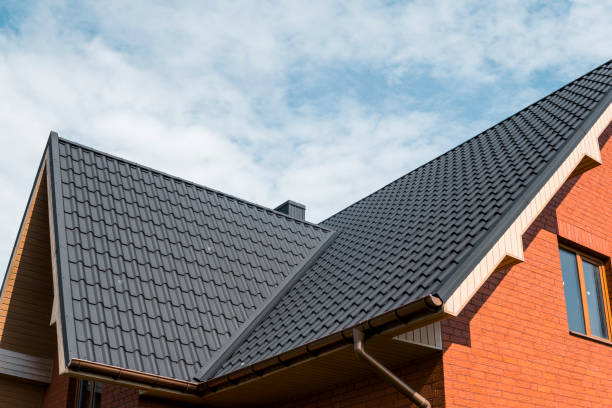
Metal roofing can be considered by homeowners who prioritize durability and long term performance. It is available in different profiles and finishes, allowing it to work with various architectural styles.
Metal can also be attractive for homeowners who want a roofing system designed for extended service life. However, it may involve a higher initial investment than some conventional residential roofing options.
Rather than assuming metal is automatically better, homeowners should compare its cost, appearance, installation requirements, maintenance needs, expected longevity, and compatibility with the home’s existing structure.
Tile Roofing
Tile roofing can provide a distinctive architectural appearance while offering substantial durability when properly installed and maintained. It can complement homes with Southwestern, Mediterranean, Spanish, or other architectural styles.
However, tile can be significantly heavier than some other roofing materials. The existing structure therefore needs to be evaluated before installation to determine whether it can accommodate the additional weight.
Homeowners should also consider installation requirements, maintenance, repairs, and total investment. A professional roofing contractor can determine whether tile is appropriate for the property’s structure and roof design.
Flat Roof and Membrane Options
Not every El Paso home has a steeply pitched roof. Some residential properties have flat or low slope sections that require a different roofing approach.
For suitable applications, membrane systems can be considered. Escandon lists flat roofing and TPO membranes among its roofing options, making these systems relevant for certain residential roof designs.
The suitability of a membrane system depends on the roof’s slope, drainage, existing structure, installation requirements, and overall condition. A professional evaluation should take place before selecting this type of system.
How El Paso’s Climate Should Influence Your Roofing Material Choice
Climate is one of the most important factors when evaluating roofing materials for El Paso homes. A roofing system that performs well in one region may have different considerations in an environment with intense heat, strong sunlight, dust, and wind.
Escandon describes El Paso roofs as being exposed to blazing summers, cold winters, dust storms, and forceful winds. The company also identifies intense heat, UV exposure, and occasional storms as important considerations when evaluating residential roofing materials.
How UV Exposure Affects Roofing
El Paso receives significant sunlight throughout the year, making UV exposure an important consideration when evaluating roofing materials. Long term exposure to sunlight can contribute to surface aging and material deterioration.
Homeowners should review manufacturer specifications and expected performance rather than assuming that every product will respond to sunlight in exactly the same way.
Material selection, installation quality, ventilation, and regular inspections all contribute to the overall performance of a roofing system exposed to strong sunlight.
How Heat and Wind Affect Roofing
High temperatures can influence roofing materials and the overall thermal environment of the home. Proper ventilation is therefore an important consideration when planning a new roofing system.
Strong winds can also place stress on roofing materials and their fastening systems. Homeowners should ask contractors about appropriate wind resistance, installation requirements, and how the roofing system will be secured.
These factors demonstrate why selecting a roofing material should be part of a broader evaluation rather than an isolated purchasing decision.
Dust, Storms and Temperature Changes
Dust storms can introduce debris and dirt to the roof and surrounding drainage areas. Regular inspections and maintenance can help identify developing problems after periods of severe weather.
Hail and occasional storms can also cause damage that may not be immediately visible from the ground. Temperature changes between hot and cold conditions can create additional considerations for roofing materials and components.
A local roofing contractor can evaluate these factors and explain how they should influence material selection, installation, maintenance, and inspection practices.
Why Roof Ventilation Matters Alongside Material Selection
Choosing a roofing material is only one part of building a properly functioning roofing system. Ventilation, insulation, underlayment, flashing, and the roof covering all work together to influence performance.
Escandon specifically identifies the roof covering, underlayment, attic ventilation, and insulation as interconnected components of a residential roofing system.
This is why homeowners should evaluate the complete system instead of focusing exclusively on the visible exterior material. Proper ventilation and installation can be just as important as the material itself when considering long term roof performance.
How to Compare Roofing Materials by Durability, Maintenance and Budget
Homeowners should compare roofing materials using consistent criteria. Looking only at the initial price can make it difficult to understand the actual value of a roofing system over its expected service life.
A higher initial investment may make sense for one homeowner, while another may prioritize a more affordable option. The right decision depends on the home’s structure, the homeowner’s plans, and the expected performance of each material.
| Factor | What Homeowners Should Ask |
|---|---|
| Initial cost | What is the upfront installation investment? |
| Expected lifespan | How long is the material typically expected to perform? |
| Maintenance | What inspections and maintenance are required? |
| Climate performance | How does it handle El Paso’s heat, UV and wind? |
| Repairs | How easy is it to repair individual areas? |
| Installation | Can the existing roof structure accommodate it? |
| Warranty | What manufacturer and workmanship coverage applies? |
| Appearance | Does it complement the home? |
| Long term value | Does the investment make sense for the homeowner’s plans? |
Don’t Choose a Roof Based Only on the Lowest Price
The cheapest roofing estimate does not necessarily represent the best value. Different contractors may use different materials, installation methods, scopes of work, warranties, and levels of preparation.
Homeowners should compare what is actually included in each proposal. Removal, decking repairs, flashing, underlayment, ventilation, cleanup, labor, and warranty coverage can all affect the total cost.
It is also useful to think about how long you expect to remain in the home. A homeowner planning to stay for many years may evaluate long term durability differently from someone planning to sell the property in the near future.
How to Choose the Right Roofing Material for Your Home
Choosing a roofing material becomes easier when homeowners follow a structured process. Rather than selecting a product immediately, start by understanding the condition and design of the existing roof.
A professional roofing contractor can help identify structural or installation considerations that may affect the available options. This makes the selection process more practical and helps homeowners avoid choosing a material that is unsuitable for the property.
Step 1: Have the Existing Roof Professionally Inspected
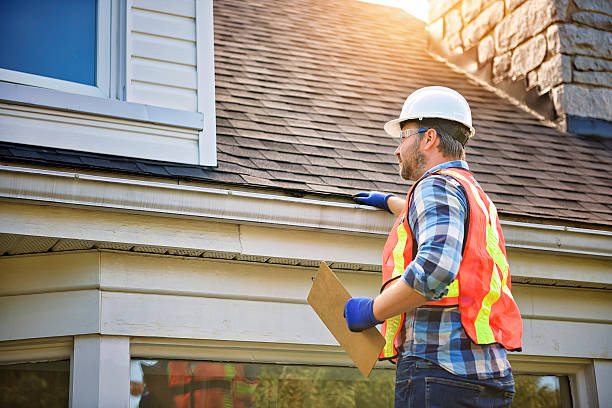
Begin with a professional inspection of the existing roofing system. The inspection should evaluate the visible roofing surface along with the roof deck, flashing, underlayment, ventilation, drainage, and other important components.
The findings can help determine whether replacement is necessary and whether there are structural or design considerations that could affect material selection.
Step 2: Determine the Roof Pitch and Overall Design
Next, evaluate the roof’s pitch, shape, slope, and overall architectural design. These characteristics can influence which roofing systems are appropriate for the home.
The roof structure should also be evaluated before considering heavier materials. Understanding these factors early can narrow the list of suitable roofing options.
Step 3: Identify Climate and Exposure Considerations
Consider how much sunlight, heat, wind, dust, and storm exposure the property receives. Homes may have different exposure levels depending on their location, surrounding structures, roof orientation, and design.
These conditions should be discussed with a local roofing contractor when comparing roofing materials for El Paso homes.
Step 4: Shortlist Suitable Materials
After evaluating the roof and climate, create a shortlist of materials that meet the property’s requirements. Compare their appearance, expected service life, maintenance needs, installation requirements, and cost.
This approach is more effective than choosing a material first and trying to determine later whether it is suitable for the home.
Step 5: Compare Durability and Maintenance
Review how each shortlisted material is expected to perform and what maintenance it requires. Ask about inspections, cleaning, repairs, and manufacturer recommendations.
Remember that actual service life depends on several factors, including installation quality, environmental exposure, maintenance, and the condition of the underlying roof system.
Step 6: Compare Installation and Long Term Costs
Look at the complete project cost rather than only the price of the roofing material. Installation complexity, roof accessibility, existing material removal, decking repairs, flashing, ventilation, and other project requirements can affect the final investment.
A detailed estimate makes it easier to compare options accurately.
Step 7: Review Manufacturer Specifications and Warranties
Before making a final decision, review the manufacturer’s specifications and applicable warranty information. Ask what is covered, what exclusions apply, and whether specific installation or maintenance requirements must be followed.
Also ask the contractor about workmanship coverage so you understand the difference between product protection and installation-related coverage.
Step 8: Ask a Qualified Residential Roofing Contractor
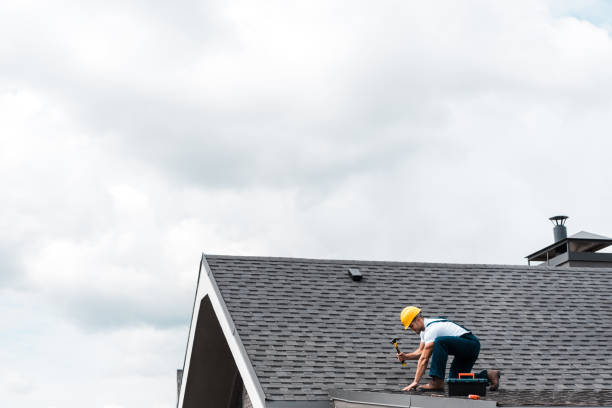
Finally, discuss the shortlisted options with an experienced residential roofing contractor. A professional can evaluate the home’s structure and explain which options are suitable based on the property’s specific requirements.
Escandon’s residential roofing services include inspections, maintenance, repairs, installation, replacement, and coatings. Consulting with an experienced local contractor can help homeowners move from general research to a roofing decision based on their individual property.
Conclusion
The right roofing material for an El Paso home is not determined by appearance or price alone. Roof pitch, architectural design, climate exposure, expected durability, maintenance requirements, installation needs, warranties, and budget all need to be considered together. Traditional composite roofing, metal, tile, and suitable membrane systems can each have a place in residential roofing, but the appropriate choice depends on the individual home’s structure and the homeowner’s priorities. Escandon emphasizes that residential roofs should be viewed as complete systems involving the roof covering, underlayment, ventilation, and insulation rather than focusing only on the visible exterior material. A professional inspection and detailed estimate can help homeowners understand their options and choose a system that fits their home and long term plans.
Contact us today to schedule a residential roof inspection and discuss the right roofing options for your El Paso home.
Frequently Asked Questions
1. What is the best roofing material for a home in El Paso?
There is no universal best option for every home. Traditional composite roofing, metal, tile, and certain membrane systems can all be appropriate depending on the property’s roof design, pitch, structure, climate exposure, budget, and durability requirements.
Escandon currently identifies several of these options among its residential roofing services for El Paso homeowners.
2. How does roof pitch affect the choice of roofing material?
Roof pitch affects water drainage, installation requirements, roof appearance, and which roofing systems may be appropriate. Steep and low slope roofs can have different installation and drainage considerations.
A professional should evaluate the roof’s slope and design before a homeowner commits to a particular material.
3. Are traditional composite roofing materials a good choice for El Paso homes?
They can be a suitable option for many residential properties. Escandon currently lists this type of roofing among its residential options for El Paso and provides an approximate 20 to 30 year lifespan.
Actual performance can vary depending on product quality, installation, weather exposure, ventilation, maintenance, and other conditions.
4. Is metal roofing better than traditional composite roofing?
Not necessarily. Metal can provide durability and long service life, while traditional composite roofing can offer practical installation, different styles, and various price points.
The better choice depends on the home’s design, homeowner priorities, expected service life, maintenance preferences, and available budget.
5. Is tile roofing suitable for El Paso?
Tile can be a durable and attractive residential roofing option, but homeowners need to consider the roof structure and material weight before installation.
Installation requirements, maintenance, repair considerations, architectural style, and overall investment should also be evaluated before choosing tile.
6. Which roofing material requires the least maintenance?
Maintenance requirements vary according to the material, roof design, installation quality, environmental exposure, and manufacturer recommendations.
Homeowners should compare the specific maintenance requirements of each material rather than assuming that any roofing system will be maintenance free.
7. How much does roofing material affect the total replacement cost?
Material is only one part of the total project cost. Roof size, pitch, accessibility, existing material removal, roof deck condition, flashing, ventilation, labor, cleanup, and other installation requirements can also affect the final price.
A detailed roofing estimate can help homeowners understand the complete investment.
8. Should I choose a roofing material before getting a roof inspection?
It is generally better to have the existing roofing system evaluated first. An inspection can identify issues involving the roof deck, ventilation, flashing, drainage, pitch, or structural requirements that may influence material selection.
Once the roof has been evaluated, a qualified contractor can help narrow down the most suitable roofing options for the property.