Choosing a new roof is a significant decision for any El Paso homeowner. The roof protects the home from intense sunlight, high temperatures, strong winds, dust, seasonal storms, and moisture. When replacement becomes necessary, homeowners should look beyond the visible roofing surface and evaluate the complete roofing system.
A successful roof replacement involves more than installing new roofing materials. The condition of the roof deck, underlayment, flashing, ventilation, drainage, and installation quality can all affect the finished roof’s performance and service life. Understanding the process can help homeowners make informed decisions and choose the right roofing contractor.
Why Roof Replacement Is a Major Decision for El Paso Homeowners
Replacing a roof is a substantial home improvement project, which makes it important to understand why replacement is necessary before selecting materials or requesting estimates. A roof may appear worn from the outside while also having underlying problems involving moisture, decking, flashing, or ventilation.
For homeowners researching residential roofing in El Paso, local weather conditions should be an important part of the decision. A roofing system needs to be selected and installed according to the conditions it will face throughout the year. Evaluating the complete system can help homeowners address underlying issues rather than only visible damage.
How El Paso’s Climate Affects Residential Roofs
El Paso’s climate can place considerable stress on residential roofing systems. Long periods of intense sunlight and high summer temperatures can contribute to material aging, while strong winds and blowing dust can create additional wear.
Seasonal storms can also expose roofs to moisture and wind-related damage. Because of these conditions, homeowners should monitor their roof’s condition and arrange professional inspections when appropriate.
Important climate considerations include:
- Intense sun and UV exposure
- High summer temperatures
- Dust and strong winds
- Seasonal storms and moisture
A properly selected, installed, ventilated, and maintained roofing system can be better prepared to handle these environmental conditions.
Repair vs. Full Roof Replacement
Not every roofing problem requires complete replacement. Small areas of damage, isolated leaks, or limited deterioration may sometimes be addressed through targeted repairs, depending on the roof’s age and overall condition.
Replacement can become the more practical option when deterioration is widespread, problems continue to return, or the roof is approaching the end of its expected service life. A professional inspection can help determine whether repair or residential roof replacement in El Paso is the better choice.
If you are noticing several warning signs, review Escandon’s guide on 5 Signs You Need Roof Replacement for additional information before making a decision.
Choosing Roofing Materials for Residential Roofing in El Paso
Once replacement is being considered, homeowners need to determine which roofing materials are appropriate for their property. Common residential roofing systems are available in different styles, appearances, performance ratings, and price ranges.
The right choice should not be based on appearance alone. Homeowners should consider the roof’s design, local weather exposure, manufacturer specifications, warranty information, expected service life, and installation requirements.
What Makes Traditional Roofing Materials Popular for Residential Homes?
Many homeowners choose traditional roofing materials because they provide a practical combination of appearance, availability, installation requirements, and cost. Different profiles and styles can complement a variety of home designs.
For homeowners comparing roofing materials for El Paso, the total project cost is also an important consideration. The lowest initial price does not necessarily represent the best value, so homeowners should evaluate the complete roofing system and expected performance.
Potential benefits can include:
- Different styles and appearance options
- Broad material availability
- Practical installation
- Compatibility with many residential roof designs
- Various price and performance levels
The objective should be to select a material that works well with the home’s structure and the environmental conditions it will experience.
What Should Homeowners Look for in Roofing Materials?
Homeowners should compare roofing products according to their documented performance rather than appearance alone. Product quality, manufacturer specifications, wind resistance, warranty coverage, and expected service life are all important considerations.
Heat and sunlight exposure should also be considered in El Paso. Depending on the product, features related to solar reflectance and heat performance may be worth discussing with a qualified roofing professional.
Before selecting a material, ask about:
- Manufacturer specifications and warranty terms
- Wind resistance
- Expected service life
- Heat and solar considerations
- Compatibility with the home’s roofing system
A professional contractor can explain the differences between available materials and help determine which options are appropriate for the home’s structure and local conditions.
Should You Consider Cool or Reflective Roofing Materials in El Paso?
El Paso’s hot climate makes heat-related roofing considerations particularly relevant. Some roofing products are designed with characteristics that can increase solar reflectance, which can influence how much solar energy the roof absorbs.
Cool or reflective roofing options may therefore be worth discussing when comparing materials. However, homeowners should avoid assuming that a specific product will automatically produce a particular reduction in energy costs.
Instead, consider documented product specifications along with insulation, ventilation, roof orientation, home design, and other factors that influence indoor temperatures and energy use.
What Happens During a Roof Replacement?
Understanding the roof replacement process can make the project easier to evaluate and help homeowners know what questions to ask before work begins. A professional replacement should involve planning, preparation, installation, inspection, and cleanup.
The exact process can vary depending on the roof’s condition, design, materials, and project requirements. However, most complete replacement projects involve several important stages that homeowners should understand.
1. Roof Inspection and Project Planning
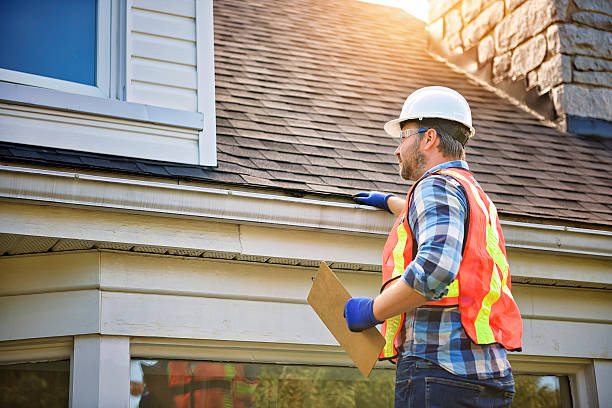
The project should begin with an evaluation of the existing roofing system. The inspection helps identify visible damage and potential concerns involving the roof deck, flashing, ventilation, underlayment, drainage, and other components.
Planning also establishes the project’s scope and identifies the materials and work required. Addressing these details before installation can reduce unexpected issues and help ensure that the replacement is approached as a complete roofing project.
Important inspection areas may include:
- Existing roof condition
- Roof decking
- Flashing
- Underlayment
- Ventilation
- Drainage
- Overall project scope
2. Removing the Existing Roofing Materials
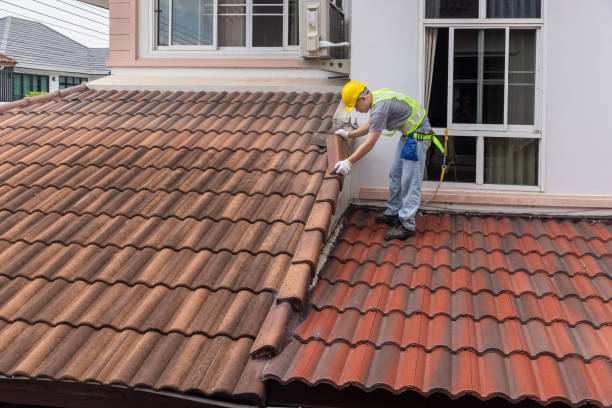
When complete replacement is required, existing roofing materials may need to be removed so the underlying structure can be evaluated. Removing the old materials gives the contractor an opportunity to identify conditions that may not be visible from the surface.
Installing new materials over unresolved problems can leave damaged decking, moisture concerns, or other issues hidden beneath the new roof. Proper removal and evaluation allow the contractor to prepare the surface correctly.
The removal stage should also include suitable property protection and debris management to help protect landscaping, exterior surfaces, and other areas around the home.
3. Inspecting and Preparing the Roof Deck
After the existing materials have been removed, the roof deck can be examined more closely. The decking provides the structural surface for the roofing system, making its condition an important part of the replacement process.
If sections are damaged or weakened, they may require attention before the new roofing system is installed. The contractor can also address other preparation requirements before moving to the installation stage.
This step helps ensure that new materials are installed over a properly prepared surface rather than covering unresolved structural or moisture-related concerns.
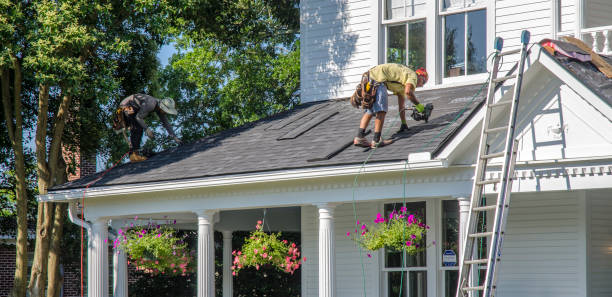
4. Installing Underlayment, Flashing and Roofing Materials
Once preparation is complete, the new roofing system can be installed. Underlayment provides an additional protective layer beneath the primary roof covering, while flashing helps direct water away from vulnerable areas such as penetrations, edges, and transitions.
The primary roofing materials are then installed according to manufacturer requirements and the design of the roof. Ventilation and edge details are also considered because they contribute to the performance of the complete roofing system.
A residential roof contains several interconnected components. Proper installation therefore involves more than the visible exterior surface. Underlayment, ventilation, insulation, flashing, and drainage should all be evaluated as part of the project.
5. Final Inspection and Cleanup
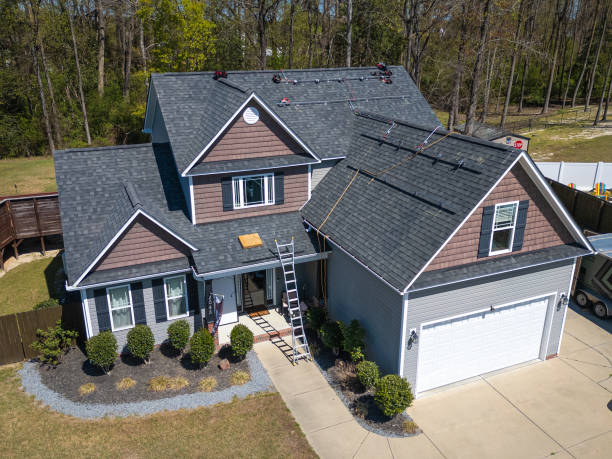
The final stage should include a detailed inspection of the completed roofing system. The contractor should verify that the materials, flashing, edges, ventilation components, and other project elements have been installed correctly.
Cleanup is another important part of the project. Roofing work can create significant debris, so the work area should be cleared and the property checked before the project is considered complete.
A thorough final inspection gives homeowners an opportunity to ask questions, confirm that the agreed scope has been completed, and understand any recommended maintenance.
How Long Should a New Roof Last in El Paso?
A new roof’s service life depends on several factors, so homeowners should consider lifespan as an expected range rather than a guaranteed number. Escandon currently gives conventional roofing materials an approximate lifespan of 20 to 30 years, while recognizing that actual longevity can vary based on material, wear, damage, and other conditions.
The local environment can influence how quickly roofing materials age. Strong sunlight, heat, wind, storms, and maintenance practices can all affect long-term performance.
Important factors include:
- Material quality and product specifications
- Installation quality
- Sun and heat exposure
- Wind and weather conditions
- Attic ventilation
- Regular maintenance
- Condition of the roof structure
- Proper flashing and drainage
Homeowners should also understand that a manufacturer’s product rating does not guarantee that every roof will achieve the same lifespan. Installation quality, environmental exposure, roof design, and maintenance can all influence actual performance.
How to Maintain a New Roof After Replacement
Roof replacement is an important investment, but maintenance does not end once installation is complete. Regular inspections and basic upkeep can help homeowners identify developing problems before they become more complicated.
A maintenance plan should account for El Paso’s weather conditions and include routine inspections, attention to drainage, and prompt evaluation of visible damage. Keeping records of inspections and repairs can also help homeowners monitor the roof over time.
Schedule Regular Roof Inspections
Routine inspections give homeowners an opportunity to identify developing problems before they become more serious. Escandon recommends professional roof inspections at least twice a year, generally during spring and fall, as well as after significant weather events.
Homeowners should also pay attention to changes they can see from the ground or inside the property. Loose or missing roofing materials, damaged flashing, visible material loss, stains, or signs of water intrusion should be evaluated by a professional.
Regular inspections are especially useful after periods of strong wind or severe weather because some damage may not be immediately obvious.
Keep the Roof and Drainage System Clear
Debris should not be allowed to accumulate on the roof or around drainage areas. Leaves, branches, dirt, and other materials can interfere with proper water movement and may contribute to moisture-related problems.
Gutters and drainage components should also be kept clear so water can move away from the home effectively. Homeowners should pay particular attention to these areas after storms or periods of strong wind.
Maintaining clear drainage paths is a simple but important part of residential roof maintenance and can support the overall performance of the roofing system.
Address Small Problems Before They Become Larger Repairs
A minor roofing issue can become more complicated if it is ignored. Loose materials, damaged flashing, small leaks, or other visible concerns should be evaluated promptly rather than left until the damage becomes more extensive.
Regular maintenance does not eliminate the need for repairs, but it can help homeowners remain aware of the roof’s condition. When a problem is identified, a professional can determine whether a targeted repair or a larger replacement project is appropriate.
What Should You Ask a Residential Roofing Contractor Before Replacement?
Choosing the right contractor is an important part of the roof replacement decision. Homeowners should look for a company that can clearly explain the condition of the existing roof, recommended materials, installation process, warranties, and project scope.
Before hiring a residential roofing contractor in El Paso, ask specific questions rather than comparing estimates based only on price. A detailed proposal can make it easier to understand what is included and identify important differences between contractors.
Consider asking:
- Will the existing roof be fully inspected?
- Will damaged roof decking be identified?
- What type of underlayment will be installed?
- How will flashing be handled?
- Which roofing materials are appropriate for my home?
- What manufacturer warranties apply?
- What workmanship coverage is provided?
- How will roof ventilation be evaluated?
- What is included in project cleanup?
- What does the expected project timeline include?
Escandon Roofing emphasizes quality craftsmanship, customer-focused service, detailed planning, and avoiding shortcuts. The company also states that it is licensed, bonded, and insured in Texas and New Mexico and has served El Paso since 1971.
These factors can help homeowners evaluate a contractor and determine which company is the right fit for their residential roofing project.
Conclusion
Residential roofing in El Paso is about more than choosing a new roof color or exterior finish. Homeowners should consider the condition of the existing roof, local climate, material specifications, installation quality, ventilation, flashing, drainage, warranties, and ongoing maintenance before moving forward with replacement. Understanding the roof replacement process can help homeowners make informed decisions, compare contractors more confidently, and plan for the long-term performance of their roofing system. If your roof is showing signs of deterioration or you are considering a planned replacement, Escandon Roofing can help you evaluate your residential roofing needs and determine the appropriate next steps for your El Paso home.
Contact us today to discuss your residential roofing project in El Paso and schedule an inspection.
Frequently Asked Questions
1. How long do roofing materials last in El Paso?
Many residential roofing materials can provide several decades of service, although actual performance varies by product and installation. Escandon currently gives conventional roofing materials an approximate 20 to 30-year lifespan.
Sun exposure, heat, wind, weather, ventilation, maintenance, installation quality, and material specifications can all affect the actual service life of a roof.
2. How do I know if my roof needs replacement?
Age, widespread deterioration, recurring leaks, missing or damaged roofing materials, significant material loss, and repeated repairs can all indicate that replacement should be evaluated.
A professional roof inspection can help determine whether the existing roof can be repaired or whether a complete residential roof replacement in El Paso is more appropriate.
3. What is involved in a roof replacement?
A typical replacement involves inspection and planning, preparation, removal of existing roofing materials where appropriate, roof deck evaluation, installation of underlayment and flashing, installation of new roofing materials, final inspection, and cleanup.
The exact steps can vary depending on the roof’s condition, design, and selected materials. A qualified contractor should explain the specific scope before work begins.
4. Are traditional roofing materials a good choice for homes in El Paso?
They can be suitable for many residential properties, but homeowners should choose products based on climate exposure, product specifications, expected durability, warranty terms, roof design, and installation requirements.
A professional contractor can help determine which roofing options are appropriate for the property’s specific conditions.
5. Should I repair my roof or replace it?
If damage is isolated and the overall roof remains in good condition, repair may be appropriate. Replacement may be worth considering when deterioration is widespread, the roof is nearing the end of its expected service life, or repairs are becoming frequent.
An inspection is the best way to evaluate the complete roofing system before making a decision.
6. Can a new roof improve curb appeal?
Yes. A new roof can have a noticeable effect on a home’s exterior appearance. Modern roofing materials are available in different styles and colors, allowing homeowners to choose an appearance that complements the property.
Escandon also notes that installing a new roof or repairing an existing roof can improve residential curb appeal.
7. How often should a roof be inspected in El Paso?
Escandon recommends professional inspections at least twice a year, generally during spring and fall, as well as after significant weather events.
Additional inspections may be appropriate when homeowners notice visible damage, leaks, missing materials, or other changes in the roof’s condition.
8. What should I ask before hiring a residential roofing contractor?
Ask about the inspection process, roofing materials, underlayment, flashing, ventilation, warranties, workmanship coverage, project scope, cleanup, and what happens if hidden roof deck damage is discovered.
It is also useful to request a clear written proposal so you understand what work and materials are included before the project begins.