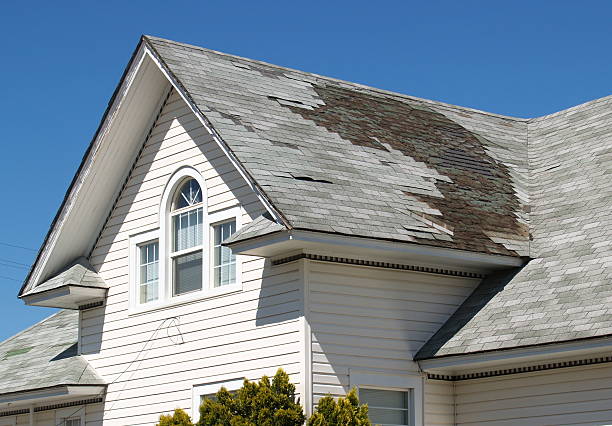
Hiring a roofing contractor is an important decision for any homeowner. Whether you need a repair, replacement, inspection, or a completely new roofing system, the contractor you choose can affect the quality, durability, and long-term performance of the work. Comparing companies based only on price or online ratings may not give you enough information to make a confident decision.
For homeowners searching for a residential roofing contractor El Paso residents can rely on, it is important to look beyond basic estimates. Credentials, insurance, residential experience, inspection methods, warranties, workmanship, communication, and knowledge of local weather conditions should all be considered before signing an agreement.
Asking the right questions can help you understand what a contractor actually provides and whether the company is equipped to handle your home’s specific needs. Below are five important questions to ask before hiring a residential roofing contractor El Paso TX homeowners can trust.
Why Asking the Right Questions Matters Before Hiring a Residential Roofing Contractor
A roof is a major investment, and homeowners should understand exactly what they are paying for before work begins. Two contractors can provide estimates that look similar at first but may differ significantly in materials, preparation, labor, warranty coverage, cleanup, and the overall scope of work.
A good residential roofing contractor should be willing to explain the project clearly and answer questions about the existing roof. Homeowners should evaluate credentials, experience, insurance, inspections, estimates, warranties, workmanship, and local knowledge instead of choosing a company simply because it offers the lowest price.
Escandon Roofing provides residential roofing services that include inspections, maintenance, repairs, installation, replacement, and coatings. Understanding the full range of services a contractor provides is therefore a useful starting point when comparing local roofing companies.
5 Questions to Ask a Residential Roofing Contractor Before Hiring
The following five questions can help homeowners compare contractors more effectively. They are designed to uncover important information about qualifications, experience, project scope, warranties, and workmanship before a contract is signed.
1. Are You Licensed, Insured and Qualified to Work on My Home?
Before allowing any roofing work to begin, ask the contractor about applicable licensing or registration requirements and request documentation that supports their qualifications. Requirements can vary by location and type of work, so homeowners should understand what applies to their specific project.
Insurance is equally important. Ask whether the contractor carries appropriate general liability coverage and workers’ compensation coverage, and request current documentation. If subcontractors will be involved, ask how their insurance and qualifications are handled as part of the project.
Homeowners should independently verify important credentials where appropriate rather than relying solely on information presented on a company’s website. A properly established contractor should be comfortable providing reasonable documentation and explaining its business practices.
2. How Much Residential Roofing Experience Do You Have in El Paso?
Experience matters because roofing projects can involve very different challenges depending on the property, roof design, material, and local weather conditions. Instead of asking only how long a company has been in business, ask about its actual residential project experience.
Useful questions include:
- How many residential projects do you typically complete?
- Have you worked on homes with a roof similar to mine?
- Can you provide examples of local residential projects?
- Do you handle both repairs and complete replacements?
A contractor with experience in your area should also be able to explain how local conditions can affect roofing systems. Escandon Roofing states that it has served residential and commercial customers in El Paso since 1971, giving homeowners a substantial local history to consider when evaluating its experience.
Why Local Roofing Experience Matters
El Paso’s environment creates specific challenges for residential roofs. Summers can bring intense heat and UV exposure, while dust storms and forceful winds can put additional stress on roofing components. Occasional severe weather can also contribute to damage that requires prompt inspection.
A local roofing contractor familiar with these conditions may have a better understanding of common issues affecting homes in the area. Local experience should not be treated as a guarantee of quality, but it is a valuable factor when comparing contractors.
When discussing a project, ask the contractor how its experience with El Paso homes influences inspection, material selection, installation practices, maintenance recommendations, and storm-related repairs.
3. What Will Your Roof Inspection and Estimate Actually Include?
A roofing estimate is only useful when you understand what it covers. Before accepting an estimate, ask the contractor what the inspection will evaluate and whether the findings will be explained to you.
A thorough residential roof inspection may consider the existing roof covering, underlayment, flashing, roof deck, ventilation, drainage, visible damage, and potential signs of leaks. The goal is to understand the condition of the complete roofing system rather than focusing only on visible surface problems.
The written estimate should also make the scope of work clear. Depending on the project, it may address:
- Materials and labor
- Removal and disposal
- Potential decking repairs
- Flashing and ventilation
- Cleanup
- Warranty information
- Exclusions or possible additional charges
Escandon offers residential inspections and estimates and describes the roofing system as including components such as the roof covering, underlayment, attic ventilation, and insulation. Homeowners should therefore ask whether these areas are considered when the roof is evaluated.
Most importantly, compare the scope of work, not just the dollar amount. A lower estimate may not include the same materials, preparation, repairs, warranty protection, or cleanup as another contractor’s proposal.
4. What Warranties and Workmanship Protection Do You Provide?
Warranties are another important part of comparing a roof replacement contractor or roof repair contractor. Homeowners should understand that product warranties and workmanship warranties can cover different things.
A manufacturer warranty generally relates to the roofing product itself, while a contractor workmanship warranty typically addresses issues associated with installation. The exact terms vary between manufacturers and contractors, so homeowners should review the actual written warranty rather than relying on verbal explanations.
Before signing, ask:
- What does the material warranty cover?
- What does the workmanship warranty cover?
- How long does each warranty last?
- What exclusions apply?
- Are there maintenance requirements?
- Who should I contact if a warranty issue develops?
Request warranty terms in writing and keep them with your project documentation. A clear explanation of warranty coverage can help prevent misunderstandings later.
5. What Does the Complete Project Include From Start to Finish?
The final question should focus on the entire project, not simply the installation itself. Ask the contractor to explain what happens from the initial inspection through the final walkthrough.
A typical project may involve inspection, preparation, material delivery, installation, quality control, cleanup, final inspection, and post-installation support. Understanding these steps can help you know what to expect and identify gaps in a proposal.
Ask who will perform the work, whether subcontractors will be involved, how long the project is expected to take, and how your landscaping and property will be protected. Also ask who handles debris removal and what happens if unexpected conditions are discovered after work begins.
Workmanship is particularly important here. A quality roofing project depends not only on the materials selected but also on proper preparation, installation, attention to detail, and final quality control.
How to Compare Roofing Contractors After Asking These 5 Questions
Once you have answers from several residential roofing companies El Paso homeowners are considering, organize the information before making a decision. Comparing contractors using the same criteria can make it easier to identify meaningful differences.
| Factor | What to Compare |
|---|---|
| Credentials | Licensing or registration, insurance, and supporting documentation |
| Experience | Residential projects and relevant local experience |
| Inspection | Thoroughness and explanation of findings |
| Estimate | Detailed scope, materials, labor, and exclusions |
| Warranty | Material and workmanship coverage |
| Workmanship | Installation process, quality control, and cleanup |
| Local Knowledge | Understanding of El Paso weather and residential properties |
| Communication | Responsiveness and willingness to explain the project |
Looking at these factors together gives you a more complete picture than price alone. The goal is to find a contractor that offers appropriate qualifications, clear communication, relevant experience, and a well-defined project scope.
Don’t Automatically Choose the Lowest Estimate
A low roofing estimate is not necessarily a better deal. Price differences can result from differences in materials, labor, preparation, removal and disposal, flashing, ventilation, warranty coverage, and cleanup.
For example, one estimate may include repairs to damaged decking while another may exclude them. One contractor may provide a more detailed inspection or stronger workmanship protection. Comparing only the final price could therefore hide important differences.
Instead, ask each contractor to explain what is included in the estimate and what circumstances could result in additional charges. The objective is not to choose the most expensive contractor, but to understand the value and scope behind each proposal.
Watch for Red Flags
Homeowners should be cautious when a contractor is unwilling to provide basic project information or uses high-pressure sales tactics. Clear documentation and communication are important indicators of a professional approach.
Some warning signs include:
- Pressure to sign immediately
- No written estimate
- Unclear insurance information
- Vague warranty terms
- No verifiable local experience
- Refusal to explain inspection findings
- Large upfront payment demands without clear contractual terms
- Verbal promises that do not appear in the written scope
A contractor should give you enough information to make an informed decision without pressuring you into signing before you understand the project.
Conclusion
Hiring a residential roofing contractor in El Paso should involve more than comparing prices or reading star ratings. Before signing a contract, homeowners should ask about credentials, insurance, local experience, the inspection and estimate process, warranty coverage, workmanship, and exactly what the project includes from start to finish. A qualified contractor should be able to explain the condition of the existing roofing system, recommend an appropriate solution, provide a clear scope of work, and explain warranty expectations in understandable terms. Escandon Roofing has served local residential and commercial customers in El Paso since 1971 and offers residential inspections, maintenance, repairs, installation, replacement, and coatings, giving homeowners a local option to consider when evaluating their roofing needs.
Contact us today to request a professional residential roof inspection or estimate for your El Paso home.
Frequently Asked Questions
1. What should I ask a residential roofing contractor before hiring them?
Ask about credentials, insurance, residential experience, local El Paso experience, inspection methods, written estimates, warranties, workmanship, project timelines, and what is included in the complete project. These questions can help you compare contractors based on more than price.
2. How do I verify a residential roofing contractor in El Paso?
Ask the contractor for current documentation relating to applicable licensing or registration and insurance. Where appropriate, independently verify the information. You can also review local project history, references, customer feedback, and examples of completed residential work.
3. Why is local experience important when hiring a roofing contractor?
El Paso roofs can experience intense heat, UV exposure, dust storms, forceful winds, and occasional severe weather. A contractor familiar with local conditions may have a better understanding of the types of roofing challenges commonly encountered in the area.
4. What should be included in a roofing estimate?
A detailed roofing estimate should explain the project scope, materials, labor, removal and disposal, potential decking repairs, flashing, ventilation, cleanup, warranty information, exclusions, and circumstances that could lead to additional charges.
5. Should I get multiple roofing estimates?
Getting multiple estimates can help homeowners understand pricing and compare differences in project scope. However, the lowest estimate should not automatically be considered the best choice. Compare credentials, materials, workmanship, warranties, inspection quality, and overall scope as well.
6. What is the difference between a manufacturer warranty and a workmanship warranty?
A manufacturer warranty generally applies to the roofing product, while a workmanship warranty generally relates to the contractor’s installation work. Coverage, duration, exclusions, and requirements can vary, so homeowners should review the actual written terms before signing.
7. How can I tell if a roofing contractor has good workmanship?
Ask about the contractor’s installation process, quality-control procedures, completed residential projects, and approach to cleanup and final inspection. A detailed written scope can also help you understand what workmanship standards and project responsibilities are expected.
8. What roofing services should a residential contractor provide?
Services vary by company, but residential roofing services can include inspections, maintenance, repairs, installation, replacement, coatings, and storm damage work. Choosing a contractor that can evaluate and address different roofing needs can make ongoing maintenance and future projects easier to manage.