Introduction
A roofing contractor does much more than install or repair a roof. A professional El Paso Roofing Contractor assesses the roof’s condition, explains possible solutions, helps select materials, plans the work, and oversees the project. Their role is to help property owners make sound decisions and protect their buildings.
This work matters in El Paso, where roofs face long hours of sunshine, high temperatures, strong winds, dust storms, and seasonal storms. These conditions can wear down roofing materials and expose weak areas over time. A poorly planned repair or installation may lead to further problems.
Whether you own a home, office, shop, or commercial building, it helps to understand what a contractor does before hiring one. This guide explains the contractor’s main responsibilities and what you can expect from the first inspection to the final review.
The Main Responsibilities of a Professional Roofing Contractor
A roofing contractor manages the work needed to keep a roof safe, sound, and useful. The exact duties depend on the building, roof type, and project. Some jobs need a small repair, while others need a full roofing system.
Roof Inspections and Assessments
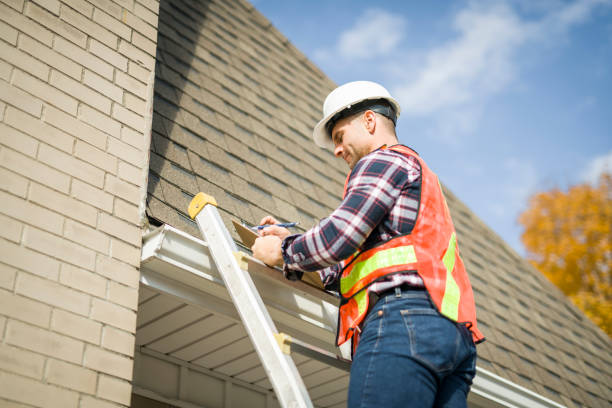
A contractor often starts by checking the roof. This helps them understand its current condition and find areas that may need attention. It also gives the property owner a clearer view of the work involved.
The inspection may cover shingles, tiles, flashing, roof edges, drainage, and visible signs of water entry. For a flat roof, the contractor may pay close attention to seams, drains, surface wear, and areas where water may collect.
After the inspection, the contractor should explain the findings in clear terms. They may suggest repairs, maintenance, or further checks if hidden damage is suspected. This step helps prevent guesswork and supports better decisions.
Repair and Damage Assessment
Roof damage can take many forms. Missing shingles, cracked tiles, loose flashing, leaks, and storm damage can all affect how well a roof protects a building.
A contractor looks at the damage and works to find its source. For example, a ceiling stain may be caused by a leak some distance away from the visible mark. Repairing only the stain will not solve the problem.
The contractor then explains what needs to be fixed and why. They should also tell you if the damage appears limited to one area or if it may point to a wider issue.
Roof Installation and Replacement
A contractor plans and manages new roof installations and full replacements. This includes checking the existing structure, helping choose suitable materials, preparing the work area, and arranging the installation.
The contractor also needs to make sure that key parts of the roofing system are fitted correctly. These may include underlayment, flashing, roof edges, and drainage details. Each part helps the roof protect the building.
At the end of the project, the contractor should review the completed work and arrange cleanup. A final check helps identify any outstanding concerns before the job is considered complete.
Roofing Material Recommendations
Choosing a roofing material is not just about appearance. The material must suit the building’s design, roof slope, budget, and exposure to local weather.
A contractor can explain the differences between common options. These may include asphalt shingles, clay and concrete tiles, metal roofing, and flat roofing systems. Each has its own installation needs, care requirements, and expected service life.
The contractor should explain the benefits and limits of each suitable option. This helps property owners compare long-term value instead of choosing only by the starting price.
Preventative Maintenance
A roofing contractor can also help property owners plan routine care. Regular checks may find loose materials, worn flashing, blocked drainage, or small faults before they cause more damage.
Maintenance work can include minor repairs, roof tune-ups, and follow-up inspections. The right plan depends on the age and type of roof, its condition, and the weather it faces.
A contractor may also suggest when the next inspection should take place. Keeping records of these visits helps property owners track the roof’s condition over time.
Residential and Commercial Roofing
Residential and commercial roofing projects can need different skills and planning. A home may have a sloped roof with shingles or tiles. A commercial property may have a flat or low-slope system with seams, drains, and large roof areas.
Commercial work may also need careful scheduling to reduce disruption to staff, customers, or daily operations. The contractor should discuss access, safety, work hours, and how the site will be managed.
Before hiring, ask whether the company has experience with your building type and roofing system. Experience with one kind of roof does not always mean the contractor is suited to every project.
What Happens When You Hire a Roofing Contractor?
A well-managed roofing project follows a clear process. Each stage helps the contractor understand the job, plan the work, and keep the property owner informed.
Knowing what to expect can make the process easier and help you ask the right questions.
Initial Consultation
The first step is a discussion about your property and your concerns. You may have noticed a leak, storm damage, loose roofing material, or signs of an aging roof.
The contractor should ask about the problem, the building, and any past roofing work. For a commercial property, they may also ask about business hours, access, and the need to keep certain areas open.
This is a good time to explain your goals and budget. Clear communication at the start helps the contractor understand what matters most to you.
Roof Inspection
The contractor then examines the roof to assess its condition. They may check the visible surface, flashing, drainage, roof openings, and other key areas.
The inspection helps confirm whether the issue is local or more widespread. It can also show whether the roof needs repair, replacement, or further assessment.
Ask the contractor to explain any problems they find. Photos or written notes can help you understand the condition of areas you cannot see from the ground.
Recommendations and Written Estimate
After the inspection, the contractor should explain the work they recommend. They should tell you why it is needed and whether there are other suitable options.
A written estimate should set out the proposed work, materials, costs, and expected timeline. It should also explain what is included, such as removal of old roofing materials, disposal, or repairs to the roof deck if needed.
Review the estimate before agreeing to the project. If something is unclear, ask for more detail. A clear scope helps reduce confusion once work begins.
Project Planning
Once you approve the work, the contractor plans the job. This may involve ordering materials, arranging workers, setting dates, and preparing the site.
For a home, preparation may include protecting nearby areas and planning safe access to the roof. For a business, the contractor may need to plan around deliveries, customers, staff, or other site activities.
Weather can affect roofing schedules, especially when work involves removing old materials or exposing parts of the roof. The contractor should explain how delays will be handled and keep you updated if plans change.
Roofing Work and Supervision
During the project, the contractor coordinates the work and checks that it follows the agreed plan. This includes managing the work team, materials, safety steps, and project progress.
Good communication matters at this stage. You should know when work is taking place and who to contact if you have a concern.
If the team finds hidden damage after work begins, the contractor should explain the issue and discuss any extra work or cost before proceeding. Do not rely on verbal promises alone. Ask for changes to be recorded in writing.
Final Inspection and Cleanup
Once the roofing work is complete, the contractor should review the finished project. This helps check that the agreed work has been carried out and that key areas have been addressed.
The work area should also be cleaned up. Old roofing materials, loose debris, and other waste should be removed as agreed in the estimate.
Before signing off, ask about any concerns you noticed during the work. Make sure you receive the final paperwork and understand what was completed.
After-Project Support
The contractor’s role should not end as soon as the crew leaves. You should receive information about the materials used, warranty terms, and any recommended follow-up care.
Material warranties and workmanship coverage are not the same. A manufacturer may cover certain product defects, while a contractor’s workmanship terms relate to the installation work. Ask what each covers and how to make a claim.
It is also useful to keep the estimate, invoice, inspection notes, and warranty documents together. These records can help if you need future repairs or sell the property.
Why Hiring a Local El Paso Roofing Contractor Matters
Local experience can help a contractor understand the weather and building needs in the area. El Paso roofs face intense sun, high temperatures, dust, and strong winds. A contractor who works in the region can use that knowledge when assessing materials and planning a project.
Local knowledge also helps when working with different property types. A residential tile roof and a commercial flat roof need different methods and materials. The contractor should understand the system already in place and recommend work that suits the building.
A local company may also be easier to contact for follow-up inspections and future repairs. This can be useful when you want to keep a record of the roof’s condition over time.
Still, location alone is not enough. Check the contractor’s experience, insurance, customer feedback, and written proposal. Ask who will manage the project and how the company will keep you informed.
Choosing the Right Roofing Company for Your Property
Comparing Roofing Contractors El Paso TX takes more than looking at online ratings or choosing the lowest quote. You need a company that understands your roof, explains its recommendations, and sets out the work in writing.
Start by asking whether the contractor has experience with your type of building and roofing material. Request proof of insurance and check references or customer reviews. You can also ask for examples of similar projects.
In Texas, roofing contractors are not required to hold a state-issued roofing licence. The Roofing Contractors Association of Texas, or RCAT, offers a voluntary licensing programme. Property owners should still check a contractor’s experience, insurance, qualifications, and reputation before signing a contract.
Review the written estimate with care. It should explain the work, materials, costs, payment terms, and expected schedule. Ask about the steps for handling extra work if hidden damage is found.
You should also understand the warranty terms. Ask which products have manufacturer warranties and what workmanship coverage the contractor provides. Make sure you know how long the coverage lasts and what may affect it.
Escandon Roofing is a family-owned roofing company that has served residential and commercial customers in El Paso since 1971. Its services include roof inspections, repairs, installation, replacement, flat roofing, roof coatings, and storm damage repair. The company states that it is licensed, bonded, and insured in Texas and New Mexico, and offers free inspections and estimates.
When comparing an El Paso Roofing Company, consider the full service experience, not just the price. You can learn more about Escandon Roofing’s services and request an inspection to discuss your property’s needs.
Conclusion: Work with an Experienced Roofing Contractor in El Paso
A professional roofing contractor helps you understand your roof’s condition, choose suitable materials, plan the work, and manage the project from start to finish. Their role covers inspections, repairs, installation, replacement, and follow-up support. For El Paso properties, local weather and the type of roofing system should guide each decision. Clear estimates, good communication, proper insurance, and quality workmanship are also important when choosing a contractor. Escandon Roofing has served local homeowners and businesses since 1971, offering a range of residential and commercial roofing services. If you have concerns about your roof, arrange an inspection before deciding what work is needed.
Contact Us: Need a professional to assess your roof? Contact Escandon Roofing to request a free inspection or estimate. You can also call (915) 532-1582 to discuss your residential or commercial roofing needs.
Frequently Asked Questions
1. What does a professional roofing contractor do?
A professional roofing contractor assesses roof conditions, recommends suitable work, prepares estimates, and manages roofing projects. They may arrange inspections, repairs, installations, replacements, and maintenance. They also help coordinate materials, workers, scheduling, and final checks.
2. What is the difference between a roofer and a roofing contractor?
A roofer is often the person who carries out hands-on roofing work, such as fitting shingles, tiles, or flat roofing materials. A roofing contractor may manage the full project, including estimates, materials, workers, scheduling, and quality checks. Some companies perform both roles.
3. When should I contact a roofing contractor in El Paso?
Contact a contractor if you notice missing shingles, cracked tiles, leaks, loose flashing, ceiling stains, or visible roof damage. You should also arrange an inspection if your roof is aging or after a major storm. Early checks can help you understand the problem before it spreads.
4. Does a roofing contractor provide inspections and estimates?
Many professional roofing companies provide inspections and written estimates. Escandon Roofing states that it offers free inspections and estimates for residential and commercial customers. Ask what the inspection includes and whether the estimate covers all expected work.
5. How does a roofing contractor choose the right materials?
A contractor considers the roof design, slope, building type, weather exposure, budget, and maintenance needs. They may compare shingles, clay or concrete tiles, metal, and flat roofing systems. The best option should suit the property and provide the level of protection it needs.
6. Do roofing contractors handle both residential and commercial projects?
Some roofing contractors work on both homes and commercial buildings. Residential projects may involve sloped roofs with shingles or tiles, while commercial projects often use flat or low-slope systems. Always check that the company has experience with your specific roof type.
7. What should I check before hiring roofing contractors in El Paso, TX?
Check local experience, insurance, references, customer feedback, and experience with your roofing material. Request a written estimate that explains the work, materials, costs, and timeline. Also review the warranty terms and ask who will manage the project.
8. Why should I hire a local El Paso roofing company?
A local company may understand the area’s weather and common roofing needs. It may also be easier to contact for inspections, repairs, and follow-up support. Still, check its experience, insurance, reputation, and written terms before making a decision.