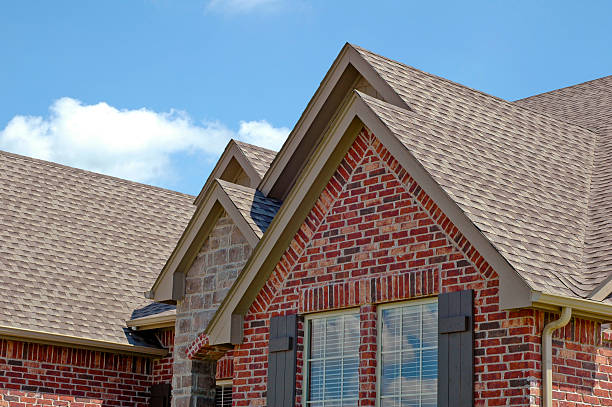
Why Roof Maintenance Is Essential for Long-Term Value
Your roof is one of the most important parts of your home. It protects your property from weather, moisture, and external damage. Regular maintenance helps keep it strong and reliable for years.
Proper roof maintenance protects your home investment and structural integrity. Small issues like cracks or leaks can grow quickly if ignored. Fixing them early prevents serious structural damage.
Routine care also helps you avoid expensive repairs and premature replacement. Replacing a roof is costly, but regular upkeep can extend its lifespan. This saves you money in the long run.
Here is why maintenance matters:
- Prevents costly emergency repairs
- Extends overall roof lifespan
- Maintains property value
- Reduces risk of structural damage
Another benefit is improved energy efficiency. A well maintained roof helps regulate indoor temperature. This reduces energy bills and improves comfort inside your home.
It also supports warranty compliance from roofing contractors like Escandon Roofing.. Many warranties require regular inspections and maintenance. Skipping this can void your coverage.
Essential Roof Maintenance Tips Every Homeowner Should Follow
Taking care of your roof does not always require professional help. There are simple steps every homeowner can follow to keep their roof in good condition. These small actions make a big difference over time.
Start by cleaning gutters regularly. Clogged gutters can cause water buildup, which may damage your roof and walls. Keeping them clean ensures proper drainage.
Remove debris like leaves and branches from your roof. Accumulated debris traps moisture and leads to mold growth. It can also damage roofing materials over time.
Follow these essential maintenance tips:
- Clean gutters at least twice a year
- Remove leaves, branches, and dirt
- Trim overhanging tree branches
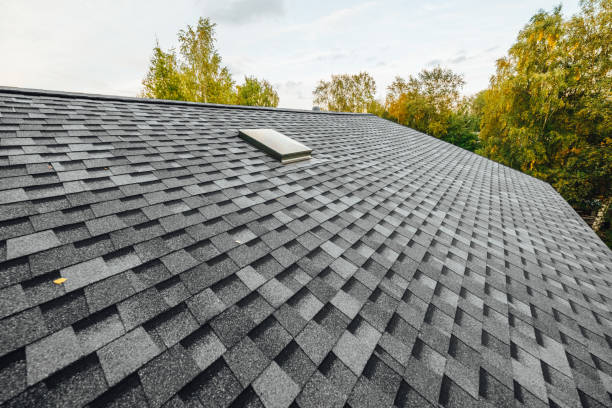
- Check for loose or damaged shingles
- Ensure proper attic ventilation
Trimming overhanging trees is also important. Branches can scrape against your roof and cause damage. They also increase the risk of falling debris during storms.
Checking for missing or damaged shingles helps prevent leaks. Even one missing shingle can expose your roof to water damage. Early detection helps avoid bigger issues.
Proper attic ventilation is another key factor. It prevents heat and moisture buildup inside your home. This helps maintain the overall health of your roofing system.
These simple roof maintenance tips help prevent long term damage. Consistency is the key to keeping your roof in excellent condition.
Roof Inspection Checklist (What to Look for Year-Round)
Regular inspections help you catch problems early. You do not need to be an expert to notice basic warning signs. A simple checklist can guide you through the process.
Start by looking for visible leaks or water stains on ceilings. These are clear signs that your roof may have a problem. Addressing them early prevents further damage.
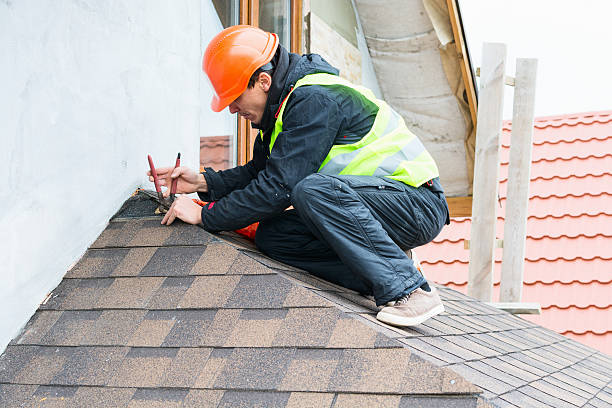
Check for cracked, curling, or missing shingles. Damaged shingles reduce your roof’s ability to protect your home. Replacing them quickly is important.
Use this inspection checklist:
- Water stains or damp spots inside your home
- Broken, loose, or missing shingles
- Damaged flashing around vents and chimneys
- Moss, algae, or mold growth
- Sagging areas on the roof surface
Damaged flashing is another common issue. Flashing seals areas around vents and chimneys. If it is broken, water can easily enter your home.
Moss and algae growth may seem harmless, but they trap moisture. This can weaken roofing materials over time. Cleaning them helps maintain roof strength.
Sagging areas indicate structural concerns. This is a serious issue and requires immediate attention. Ignoring it can lead to major damage.
Using this roof inspection checklist helps you stay proactive. It allows you to fix small issues before they become costly problems.
Seasonal Roofing Care: Protect Your Roof All Year
Different seasons bring different challenges for your roof. Taking care of your roof throughout the year ensures long lasting performance. Seasonal maintenance helps prevent weather related damage.
In spring, inspect your roof for damage caused by winter conditions. Clean gutters and remove any leftover debris. This prepares your roof for upcoming weather changes.
Summer heat can affect roofing materials. High temperatures and UV rays can cause wear and tear. Regular checks help identify heat related damage early.
Seasonal care tips include:
- Spring cleaning and inspection
- Summer checks for heat damage
- Fall preparation for storms
- Winter monitoring for moisture issues
During fall, clear leaves and prepare for heavy winds or storms. Debris buildup can block drainage systems. This increases the risk of water damage.
In winter, watch for ice dams and moisture buildup. These can cause leaks and structural issues. Proper insulation helps reduce these risks.
Proper seasonal roofing care ensures year round durability. It keeps your roof ready for any weather condition.
How to Prevent Roof Leaks Before They Start
Roof leaks are one of the most common problems homeowners face. The good news is that most leaks can be prevented with proper care. Taking early action is the best strategy.
Start by maintaining flashing around vulnerable areas. Flashing seals joints and prevents water entry. Keeping it in good condition is essential.
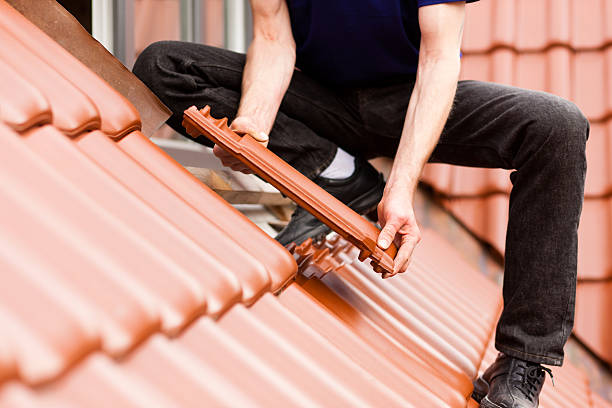
Replace damaged shingles as soon as possible. Even small damage can lead to leaks. Quick repairs help maintain a strong barrier against water.
Here are key steps to prevent leaks:
- Inspect and maintain flashing regularly
- Replace broken or missing shingles quickly
- Keep gutters and drainage systems clear
- Schedule regular roof inspections
Clogged gutters are a major cause of leaks. Water overflow can seep into your roof structure. Keeping gutters clean prevents this issue.
Scheduling professional inspections adds another layer of protection. Experts can identify hidden problems that you might miss. This helps ensure long term safety.
These steps help effectively prevent roof leaks. Consistent maintenance reduces the risk of unexpected damage.
When to Call Professional Residential Roofing Services
While basic maintenance can be done by homeowners, some situations require professional help. Knowing when to call experts is important for your safety and your roof’s health.
Persistent leaks are a clear sign that you need professional assistance. Temporary fixes may not solve the problem. Experts can identify the root cause.
Storm or hail damage also requires immediate attention. Severe weather can weaken your roof structure. Professional inspection ensures proper repair.
You should call professionals when:
- You notice recurring leaks
- Your roof has visible storm damage
- The roof is old and nearing its lifespan
- You feel unsafe inspecting it yourself
An aging roof needs expert evaluation. Over time, materials weaken and become less effective. Professionals can recommend repairs or replacement if needed.
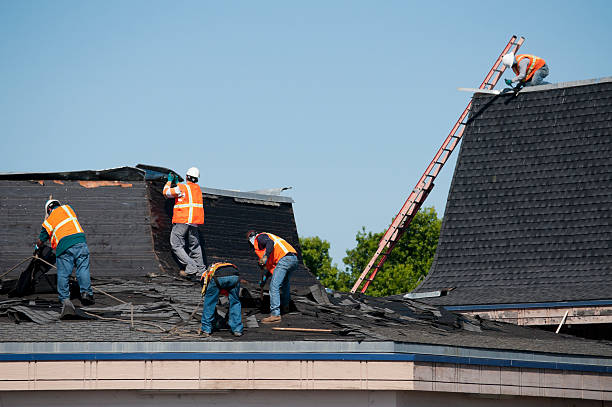
Safety is another important factor. Climbing on a roof can be dangerous. Hiring professionals reduces the risk of accidents.
Professional residential roofing services ensure proper diagnosis and repair. They provide long lasting solutions instead of temporary fixes.
Conclusion
Maintaining your roof is not just about fixing problems when they appear. It is about protecting your home and increasing its long term value. By following a consistent maintenance routine, using a proper inspection checklist, and paying attention to seasonal care, homeowners can significantly extend the lifespan of their roof. Small efforts like cleaning gutters, checking shingles, and preventing leaks can make a big difference over time. When issues become complex or safety is a concern, working with experienced professionals ensures your roof remains strong, durable, and efficient for years. If you need expert help or want to ensure your roof is in the best condition, contact us today.
Frequently Asked Questions
1. How often should I inspect my roof?
At least twice a year, typically in spring and fall, and after major storms.
2. What is the best way to extend roof lifespan?
Regular maintenance, timely repairs, proper ventilation, and professional inspections.
3. Can I do roof maintenance myself?
Basic tasks like cleaning gutters and visual inspections are safe, but major repairs should be handled by professionals.
4. How do I prevent roof leaks?
Maintain flashing, replace damaged shingles quickly, and keep drainage systems clear.
5. When should I hire residential roofing services?
When you notice leaks, visible damage, or if your roof is aging and needs expert evaluation.