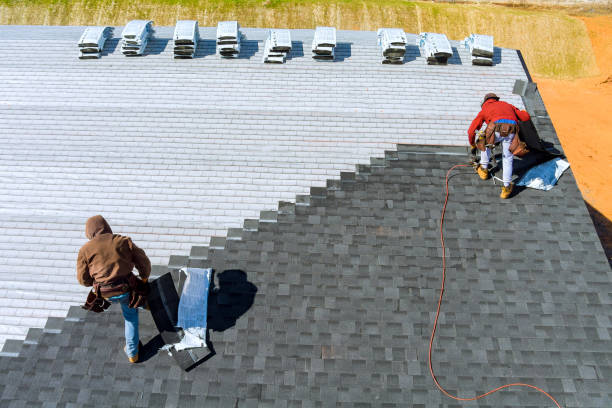
Roofing costs are one of the biggest factors homeowners consider when deciding whether to repair, replace, or install a new roofing system. The right choice depends on the roof itself, the home, the materials, and the work needed.
There is no single standard price for residential roofing in El Paso. Two homes with similar sizes can have very different project costs because their roofs may have different designs, materials, damage, access, and installation needs.
If you are researching residential roofing El Paso homeowners can rely on, start by understanding what drives the price. Roof size, material, design, labor, existing damage, repairs, warranties, and installation quality can all affect the final investment.
El Paso’s intense sun, heat, wind, dust, and seasonal weather can also affect roofing materials and maintenance needs. A professional inspection is the best way to understand what your specific roof requires.
What Factors Affect Residential Roofing Costs in El Paso?
Several factors can influence the final cost of a residential roofing project. Looking at these factors separately can help homeowners understand why estimates from different contractors may not be the same.
1. Roof Size and Square Footage
Roof size is one of the first factors a contractor considers when preparing a roofing estimate. A larger roof generally requires more roofing materials, more labor, and more time to complete.
Roofing is often measured in “squares.” One roofing square represents 100 square feet of roofing area. However, the home’s floor or footprint is not always the same as the actual roof area.
Roof pitch and design can increase the amount of roofing material required. A steep or complex roof may have more surface area than a simple measurement of the home’s footprint suggests.
How is the cost of residential roofing calculated? Contractors generally consider the actual roof area, material requirements, labor, removal, preparation, repairs, and other project conditions. This is why an on-site inspection and accurate measurements are important.
2. Roofing Material You Choose
The roofing material can have a major effect on both the initial investment and the long-term value of a roof. Different materials have different costs, appearances, maintenance needs, and expected performance.
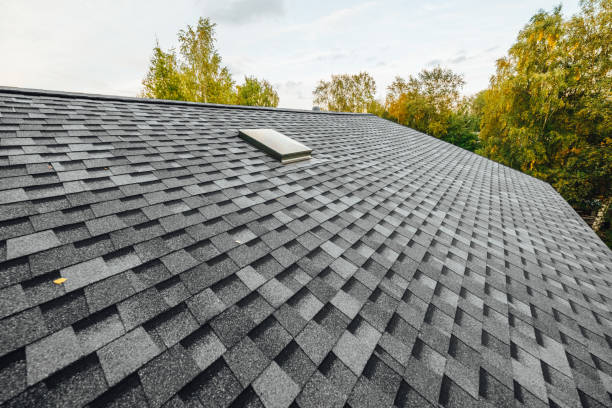
Common residential options can include asphalt or composition shingles, clay or concrete tile, metal roofing where appropriate, and other roofing systems suited to the property.
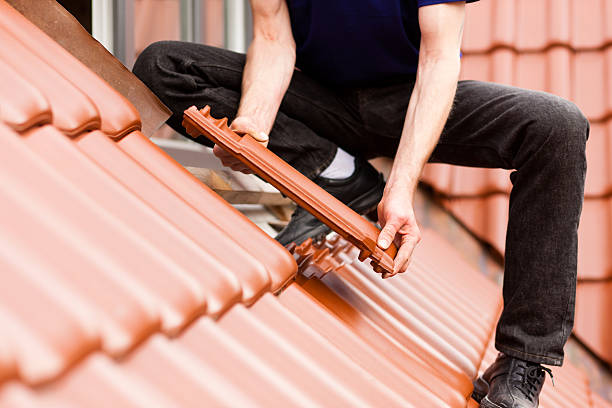
Asphalt and composition shingles can offer a practical option for many homes. Clay and concrete tile can provide a different appearance and may suit certain Southwest-style homes. Metal roofing can also be appropriate for some properties depending on the home’s design and project requirements.
There is no universally best material. The right choice depends on the home’s structure, existing roof, budget, appearance, expected performance, maintenance needs, and local conditions.
If you are searching for residential roofing near me, compare contractors based on their ability to explain why a specific material is suitable for your home. A good recommendation should consider the complete project rather than focusing only on the lowest material price.
3. Roof Pitch, Design, and Complexity
Two homes with the same approximate square footage can have very different roofing costs. Roof design can change the amount of labor, material, preparation, and safety planning required.
Steep slopes can make installation more difficult. Multiple roof sections can also increase the amount of flashing and detail work involved.
Other features that may affect complexity include:
- Valleys
- Dormers
- Skylights
- Chimneys
- Roof penetrations
- Difficult access areas
More complex roofs can require additional installation time and material. They may also create more material waste and require additional safety measures.
This is another reason homeowners should avoid estimating roofing costs based only on the size of the house. The actual roof structure needs to be evaluated.
4. Existing Roof Condition and Required Repairs
The visible roofing material is only one part of the roof. A contractor also needs to evaluate what is underneath and around the roofing system.
Potential problems can include damaged shingles or tiles, leaks, deteriorated flashing, damaged decking, moisture intrusion, poor previous installation, storm damage, wind damage, and drainage issues.
If these problems are found, additional work may be needed before a new roofing system can be installed. Ignoring underlying damage can create problems for the new roof.
A professional roof inspection can help homeowners understand the current condition of the roof before comparing replacement estimates. It can also help determine whether repair or replacement is appropriate.
Escandon Roofing states that its residential roofing process includes a roof inspection before recommending the appropriate roofing solution. The company also offers free inspections and estimates.
5. Labor, Removal, and Installation Requirements
The price of roofing materials is only part of the total project cost. A complete installed roofing project also includes labor, preparation, removal, disposal, installation, and cleanup.
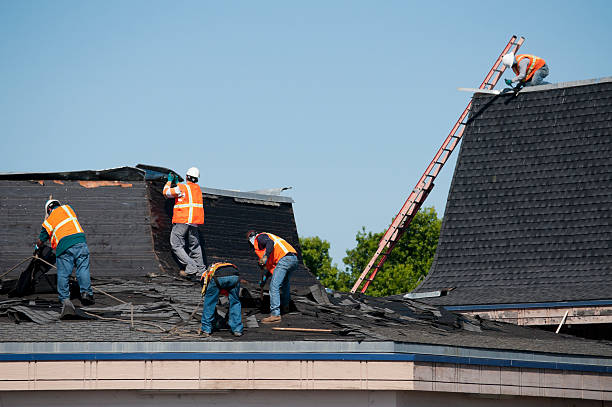
If an existing roof needs to be removed, tear-off can add labor and disposal requirements. Multiple roofing layers may also affect the amount of work involved.
Other factors can include:
- Roof accessibility
- Installation complexity
- Required preparation
- Site protection
- Cleanup and disposal
This is why homeowners should compare the complete installed cost rather than asking only how much the roofing material costs.
A detailed proposal should explain whether removal, disposal, preparation, installation, and cleanup are included. This makes it easier to compare estimates from different contractors.
6. Warranty and Workmanship
A roofing estimate should not be judged only by its price. Warranty coverage and installation quality can affect the long-term value of the project.
A manufacturer material warranty may cover certain roofing materials or system components. A contractor workmanship guarantee may cover specific installation-related issues. These are different types of protection.
Ask what each warranty covers, how long it lasts, and what exclusions or requirements apply. You should also understand who handles a warranty claim if a problem develops.
Escandon Roofing states that its installations include manufacturer warranties and a workmanship guarantee. Homeowners should still review the specific warranty terms provided for their individual project before signing an agreement.
Does El Paso’s Climate Affect Residential Roofing Costs?
El Paso’s climate can affect roofing materials, maintenance, expected performance, and repair needs. However, there is no fixed percentage that should automatically be added to a roofing estimate because of local weather.
How El Paso Weather Can Affect Your Roof
Homes in El Paso experience intense sun and UV exposure, extreme summer heat, wind, dust, and seasonal storms. Temperature changes can also place stress on roofing materials over time.
These conditions can affect how roofing materials perform and how often a roof may need inspection or maintenance. Wind and dust can also contribute to debris accumulation and wear.
Climate does not automatically determine the cost of a roofing project. Instead, it is one factor a contractor should consider when evaluating materials, installation methods, maintenance requirements, and the condition of the existing roof.
Why Local Roofing Experience Matters
A contractor familiar with El Paso may have greater knowledge of local homes, common roofing materials, regional weather patterns, and local roofing conditions.
Local experience can also help contractors understand the types of problems that may occur and the maintenance needs associated with roofing systems in the area.
Escandon Roofing describes itself as a family-owned El Paso roofing company that has served the community since 1971. Its residential roofing information discusses local conditions such as blazing summers, cold winters, dust storms, and strong winds.
For homeowners considering residential roofing services in El Paso, local knowledge can be useful when comparing roofing materials, inspection findings, repairs, replacement options, and maintenance needs.
How to Compare Residential Roofing Estimates in El Paso
Getting more than one estimate can help you understand the market and compare different approaches. But the final price should not be the only thing you compare.
One contractor may recommend more preparation or better materials. Another may provide a lower price by offering a narrower scope. To make a fair comparison, review what each proposal actually includes.
What Should a Residential Roofing Estimate Include?
A detailed roofing estimate should explain the work in enough detail for you to understand what you are buying.
Look for:
- Roof inspection findings
- Roof measurements
- Existing roof condition
- Recommended roofing material
- Removal and tear-off
- Decking or structural repairs if required
- Flashing and underlayment
- Roof Installation
- Cleanup and disposal
- Project timeline
- Payment terms
- Warranty information
Ask questions about anything that is unclear. A professional contractor should be able to explain why certain work is recommended and how the price was developed.
Why the Cheapest Roofing Estimate May Not Be the Best Value
Two contractors can quote different prices because they are proposing different materials, preparation, workmanship, repair scopes, warranties, or installation methods.
A lower price may look attractive, but it does not necessarily mean you are getting the same roofing system or level of service.
Think of the comparison as apples to apples. Make sure the estimates cover similar materials, removal, repairs, installation, cleanup, warranties, and other important work before choosing the lowest number.
Residential Roofing Cost Checklist for El Paso Homeowners
Use this checklist when speaking with roofing contractors. These questions can help you understand what is included in an estimate and why the project may cost what it does.
| Cost Factor | What Homeowners Should Ask |
|---|---|
| Roof size | How large is the actual roof area? |
| Material | Which roofing material is recommended and why? |
| Roof complexity | Are there steep slopes, valleys, or difficult areas? |
| Existing roof | Does the current roof require removal? |
| Damage | Are decking, flashing, or other components damaged? |
| Labor | What installation work is included? |
| Disposal | Is tear-off and debris removal included? |
| Warranty | What material and workmanship coverage is provided? |
| Timeline | How long is the project expected to take? |
| Maintenance | What maintenance will the roof require? |
This checklist can answer a common homeowner question: “What should I ask a roofing contractor about cost?” The more details you understand, the easier it becomes to compare estimates fairly.
A written estimate should help you see the connection between the condition of your roof, the recommended work, the materials, and the final price.
Repair or Replace? How Your Roof’s Condition Affects the Investment
The decision to repair or replace a roof should be based on its actual condition. Age alone does not always tell you whether replacement is necessary.
A professional inspection can help identify localized problems, widespread deterioration, or underlying damage before you make a decision.
When a Repair May Make Sense
A repair may be appropriate when damage is limited and the rest of the roofing system remains in serviceable condition.
Examples can include:
- Localized damage
- Isolated leaks
- Minor flashing problems
- Limited storm damage
The right decision depends on the location and extent of the problem. A professional inspection can help determine whether a repair can address the issue effectively.
When Replacement May Be Worth Considering
Replacement may make more sense when damage is extensive or the roofing system has widespread deterioration.
Possible factors include repeated repairs, significant material failure, extensive damage, or problems affecting the underlying roof structure.
Homeowners should not decide based on roof age alone. A professional inspection can help determine whether roof repair services or roof replacement services are more appropriate for the condition of the existing system.
Conclusion: Understand the Factors Behind Residential Roofing Costs
There is no universal price for residential roofing in El Paso because every roofing project has different requirements. Roof size, material, roof design, existing damage, repairs, labor, removal, installation, warranty coverage, and workmanship can all affect the final investment. Understanding these factors can help homeowners make better decisions and compare estimates based on the complete scope of work.
Escandon Roofing has served El Paso homeowners since 1971 and provides residential roofing services that include inspections, repairs, installation, replacement, roof coating, flat roofing, and storm damage repair. The company also states that it offers free inspections and estimates to help homeowners understand their roofing needs.
The best way to understand what your roofing project may require is to have the existing roof professionally inspected and receive a detailed estimate that explains the complete scope of work. Compare materials, preparation, repairs, installation, warranties, and long-term value instead of choosing a contractor based only on the lowest number.
Contact us today to schedule a professional residential roof inspection and request an estimate.
Frequently Asked Questions
1. How much does residential roofing cost in El Paso?
Residential roofing costs vary based on roof size, material, pitch, complexity, existing roof condition, labor, removal requirements, repairs, and warranty considerations.
There is no reliable single price that applies to every El Paso home. A professional inspection and project-specific estimate are needed to understand the likely cost for your property.
2. What is the biggest factor affecting residential roofing costs?
Roof size and material are major cost factors, but they are not the only ones. Roof complexity, existing damage, labor, tear-off requirements, preparation, installation, and warranty considerations can also significantly change the final price.
The actual condition and design of your roof should be evaluated before you compare estimates.
3. Which roofing material is best for homes in El Paso?
There is no universally best roofing material for every El Paso home. Asphalt or composition shingles, clay or concrete tile, metal roofing, and other systems may be suitable depending on the property.
Consider the home’s design, budget, existing roof, appearance, performance expectations, maintenance needs, and local conditions before choosing a material.
4. Does roof damage increase the cost of a roofing project?
Yes. Damaged decking, flashing, moisture intrusion, leaks, storm damage, or other underlying problems can require additional work.
These issues may need to be addressed before a new roofing system can be installed properly. A professional inspection can help identify these conditions before the project begins.
5. Should I repair or replace my roof?
It depends on the condition of the existing roofing system. Localized damage may be suitable for repair, while widespread deterioration, repeated problems, or extensive underlying damage may make replacement worth considering.
A professional inspection is the best way to determine whether repair or replacement is appropriate for your specific roof.
6. Does roof size affect residential roofing costs?
Yes. Larger roofs generally require more materials and labor. However, roof pitch, design complexity, accessibility, material choice, and existing roof condition also affect the final cost.
The actual roof area may also be larger than the home’s footprint, so contractors should measure the roof rather than relying only on the home’s square footage.
7. Should I get multiple residential roofing estimates?
Yes. Comparing estimates from qualified contractors can help you understand differences in materials, scope, warranties, labor, and pricing.
Make sure you are comparing equivalent scopes of work. A lower estimate may not include the same preparation, repairs, materials, installation work, or warranty coverage as another proposal.
8. Does a roofing warranty affect the overall value of a project?
Yes. Homeowners should consider both manufacturer material coverage and contractor workmanship coverage when comparing roofing proposals.
Review what each warranty covers, its duration, exclusions, and requirements. A lower initial price may not represent the best long-term value if installation quality or warranty protection differs.