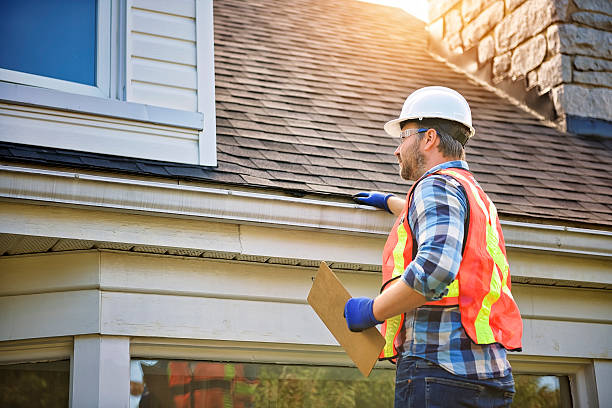
Hiring a roofing contractor is not only about workmanship, price, and reviews. Roofing is a demanding construction trade that often involves working at height, handling heavy materials, using tools, and working around occupied homes.
For homeowners, contractor safety matters too. Poor safety practices can increase the risk of worker injuries, property damage, accidents involving other people, and disruption around your home. A safe roofing project should protect the crew and the property at the same time.
If you are comparing roofing contractors El Paso TX homeowners can hire, look beyond the estimate. This guide covers seven practical checks you can make before signing a roofing contract. These checks can help you evaluate an El Paso roofing contractor with greater confidence.
7 Safety Checks to Make Before Hiring a Roofing Contractor
1. Verify the Contractor Has Appropriate Insurance
What insurance should I verify before hiring a roofing contractor? Homeowners should ask for current proof of appropriate insurance coverage before roofing work begins. General liability insurance and applicable workers’ compensation coverage are important areas to verify.
General liability coverage can help address certain claims involving accidental property damage or injuries to third parties. Workers’ compensation considerations are also important when employees are working on your property. Do not rely only on a contractor saying that the company is insured.
Ask to see current proof of coverage. You can also confirm that the policy is valid and applies to the work being performed. The Texas Department of Insurance recommends that consumers confirm workers’ compensation and general liability insurance and check that the policy is valid.
Insurance does not remove every risk from a roofing project. It does, however, give homeowners important information about how a contractor manages business and job-site risks.
2. Ask About Worker Safety Practices
Roofing crews work at height and face risks that homeowners may not see from the ground. A professional contractor should have clear procedures for reducing these risks during the project.
Ask how the crew handles fall protection, ladders, roof access, personal protective equipment, and material handling. You can also ask how workers are trained and supervised while on the job.
Electrical hazards and other site risks should also be considered. The goal is not to expect a homeowner to know every technical safety rule. Instead, look for a contractor that can explain its safety approach clearly.
A contractor that takes safety seriously should be able to discuss how the crew works safely without giving vague or dismissive answers. Good planning can help protect workers, residents, visitors, and the property.
3. Check Credentials and Professional Qualifications
Before hiring an El Paso roofing contractor, verify who you are actually hiring. Look at the business identity, local presence, experience, references, and relevant professional qualifications.
You can ask about industry association memberships and manufacturer training or certifications where applicable. If a project requires permits or other local approvals, ask the contractor how those requirements will be handled.
Texas does not require every roofing contractor to hold a state-issued roofing license. That makes it even more important for homeowners to verify other indicators of professionalism, such as insurance, bonding, experience, references, and applicable credentials.
Escandon Roofing states that it is licensed, bonded, and insured in Texas and New Mexico. Its website also identifies the company as a family-owned roofing business based in El Paso that has served the area since 1971.
A credential should not be treated as proof that a contractor is right for every project. Review the complete picture, including the contractor’s work history and ability to explain the proposed roofing work.
4. Understand Who Is Responsible for Job-Site Liability
Liability is an important part of any roofing contract. Before work starts, you should understand who is responsible if something goes wrong on your property.
Potential issues can include accidental damage to siding, windows, landscaping, driveways, vehicles, or other property. There can also be questions about injuries involving workers, visitors, neighbors, or other third parties.
Ask whether the contractor uses subcontractors. If subcontractors will be involved, find out who supervises them and who is responsible for their work.
A useful question to ask is:
“If something goes wrong on my property during the project, who is responsible?”
The answer should be clear and consistent with the written contract and insurance arrangements. Do not assume that responsibility will automatically be handled in a particular way.
A written agreement can help define responsibilities before a problem occurs. Review the contract carefully and ask about anything you do not understand.
5. Look for a Clean and Controlled Job Site
Job-site safety is something homeowners can actually observe. You do not need to climb onto the roof to see whether a contractor is keeping the surrounding area organized.
Look at how roofing materials, tools, ladders, and equipment are stored. Materials should not be left in places where they create an obvious hazard. Roofing debris and nails should also be controlled during the project.
Landscaping, walkways, driveways, and exterior areas should be considered when planning the work. Children and pets should be kept away from active roofing areas.
Ask how cleanup will be handled at the end of each workday and after the project is complete. A contractor that plans for cleanup from the start is showing that job-site protection is part of the overall process.
6. Ask How the Contractor Protects Your Home During the Project
Worker safety is only part of a safe roofing project. Your home also needs protection while materials are removed and installed.
Ask how the contractor will protect windows, doors, siding, landscaping, outdoor equipment, and other vulnerable areas. Falling materials and debris should be managed so they do not cause unnecessary damage.
Weather planning matters too. If part of the roof is temporarily exposed, ask what steps the contractor takes to protect the home. The company should have a plan for unexpected weather and changing site conditions.
El Paso can bring strong sun, heat, wind, and dust. These conditions can make roofing work more demanding and may affect how materials are handled during a project.
A good contractor should explain how the crew will protect both the structure and the surrounding property. Escandon Roofing says its approach emphasizes detailed work, planning, and cleanup, with attention to the Southwest climate.
7. Review the Contract, Warranty, and Emergency Procedures
A professional roofing agreement should explain the project before you commit. Do not rely on verbal promises for important details.
Review the written scope of work, roofing materials, start date, expected completion timeframe, payment schedule, cleanup responsibilities, and warranty terms. Ask who you should contact if an issue develops during or after the project.
Weather interruptions should also be discussed. Roofing is outdoor work, so the contractor should be able to explain how weather delays will be handled and how the project will be secured if conditions change.
Ask about emergency procedures as well. For example, if unexpected roof damage is found or a weather event affects an exposed section, you should know who will respond and how the situation will be managed.
A contractor should be willing to explain the agreement. Pressure to sign immediately is a reason to slow down and review your options.
Red Flags That May Indicate an Unsafe or Unprofessional Roofing Contractor
Safety problems are not always obvious at first. A contractor may have a professional website and still fail to provide basic information when you ask questions.
Watch for these warning signs
Be cautious if a contractor:
- Cannot provide proof of insurance
- Avoids questions about worker safety
- Will not explain subcontractor responsibilities
- Provides no written contract
- Pressures you to sign immediately
- Has an unclear business identity or local presence
- Refuses to provide references
- Leaves materials or debris unsecured
- Gives vague warranty information
- Demands unusual payment arrangements
- Provides an unusually low estimate without explaining the scope
One red flag does not automatically prove that a contractor is unsafe. However, several warning signs together should prompt further verification.
You should also be careful with contractors who make questionable insurance promises. Texas law prohibits contractors from waiving, rebating, or absorbing a property insurance deductible. Texas law also restricts a contractor from acting as a public insurance adjuster on a property where the contractor is providing or may provide contracting services.
How to Compare Roofing Contractors in El Paso TX: A Homeowner Safety Checklist
A simple checklist can make contractor comparisons easier. Use these questions before choosing a EI Paso roofing company and keep the answers with your project documents.
| What to Check | Questions to Ask |
|---|---|
| Insurance | Can you provide current proof of insurance? |
| Worker safety | What safety practices do your crews follow? |
| Credentials | What professional qualifications or certifications do you have? |
| Experience | How long have you worked in the El Paso area? |
| Subcontractors | Will subcontractors be used, and who supervises them? |
| Liability | Who is responsible for accidental property damage? |
| Job site | How will my home, driveway, and landscaping be protected? |
| Cleanup | How will roofing debris and nails be handled? |
| Contract | Is the complete scope of work provided in writing? |
| Warranty | What workmanship and material warranties are included? |
This checklist can help you compare professional roofing services in El Paso based on safety and accountability, not just price. It also gives you a useful set of questions to ask during an inspection or estimate.
The best contractor should be able to explain how the crew will work, how your property will be protected, and what support you will receive after the project is complete.
Why Contractor Safety Matters for El Paso Homeowners
Roofing work takes place in a demanding outdoor environment. El Paso’s intense sun and heat can make working conditions challenging, while wind and dust can affect materials and job-site conditions.
Local planning can help contractors account for these conditions. A roofing crew needs to consider the weather, roof access, material handling, cleanup, and protection of the property during each stage of the project.
Escandon Roofing has deep El Paso roots and says it has served the local community since 1971. The company provides residential roofing services that include inspections, installation, replacement, repairs, roof coating, flat roofing, and storm damage repair.
Local experience does not replace the need to verify insurance and safety practices. It is simply another factor homeowners can consider when comparing contractors. A company familiar with local roofing conditions can better understand the environment in which the work will take place.
Conclusion: Don’t Just Ask “Can They Roof?” Ask “Can They Roof Safely?”
Choosing a roofing contractor involves more than comparing estimates. Before hiring, verify appropriate insurance, ask about worker safety, check credentials and experience, understand liability, review job-site protection, ask how your home will be protected, and read the contract, warranty, and emergency procedures carefully. These seven checks can help you make a more informed decision and reduce avoidable risks during the project.
Escandon Roofing is a family-owned El Paso roofing company that has served the community since 1971. Its website describes a focus on quality craftsmanship, experienced service, detailed roofing work, inspections, installations, repairs, replacements, and cleanup. The company also states that it is licensed, bonded, and insured in Texas and New Mexico.
Before hiring a roofing contractor in El Paso, schedule a professional inspection and ask questions about experience, insurance, safety practices, scope of work, property protection, and warranty coverage. A qualified roofing contractor should be able to clearly explain how the crew, your home, and the project itself will be protected.
Contact us today to schedule a professional roofing inspection and discuss your roofing needs.
Frequently Asked Questions
1. How can I tell if a roofing contractor is safe?
Ask for current proof of appropriate insurance and ask how the contractor protects workers at height. You should also verify credentials, experience, references, job-site practices, and the contractor’s plan for protecting your property.
A professional contractor should answer safety questions clearly. If the company avoids basic questions or refuses to provide documentation, consider checking other contractors before making a decision.
2. What insurance should a roofing contractor have?
Homeowners should ask for current proof of appropriate insurance coverage, including general liability and applicable workers’ compensation coverage.
Do not rely only on a verbal statement that the company is insured. The Texas Department of Insurance recommends confirming insurance and checking that the coverage is valid.
3. Why is roofing contractor safety important to homeowners?
Unsafe roofing practices can increase the risk of worker injuries, property damage, and accidents involving other people. Poor job-site control can also expose homeowners, children, pets, vehicles, and neighbors to unnecessary hazards.
A contractor’s safety practices can therefore affect more than the crew working on the roof. Good planning helps create a safer environment around the entire project.
4. Should a roofing contractor provide a written contract?
Yes. A written agreement should clearly explain the scope of work, materials, pricing and payment terms, project timeline, cleanup responsibilities, warranties, and other important conditions.
Read the agreement before signing. Ask the contractor to explain any section that is unclear rather than relying on a verbal promise.
5. What should a roofing contractor do to protect my property?
The contractor should have a plan for protecting landscaping, windows, siding, driveways, walkways, and other vulnerable areas. Roofing materials, tools, and debris should also be controlled throughout the project.
Ask how cleanup will be handled each day and after completion. You should also ask what happens if unexpected weather arrives while part of the roof is exposed.
6. How do I find reliable roofing contractors in El Paso TX?
Start by comparing contractors based on experience, insurance, credentials, local reputation, references, written estimates, warranties, and safety practices.
Look for contractors with an established local presence and experience with projects similar to yours. Do not choose a company solely because it offers the lowest price.
7. What are the biggest red flags when hiring a roofing contractor?
Common warning signs include no proof of insurance, vague contracts, pressure to sign immediately, unclear responsibility for subcontractors, inability to provide references, and unwillingness to answer questions about safety or warranties.
A single concern may not tell you everything about a contractor. Multiple warning signs, however, should lead you to pause and verify the company before signing a contract.