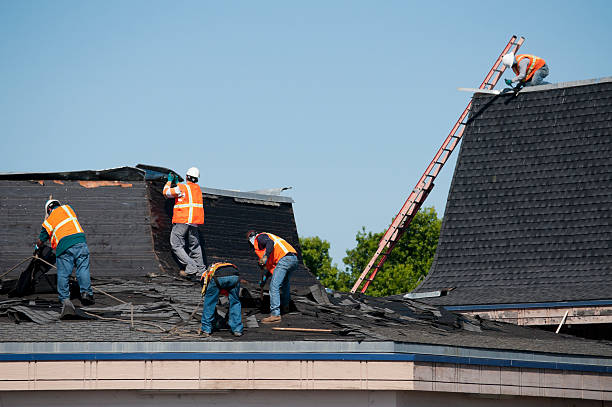
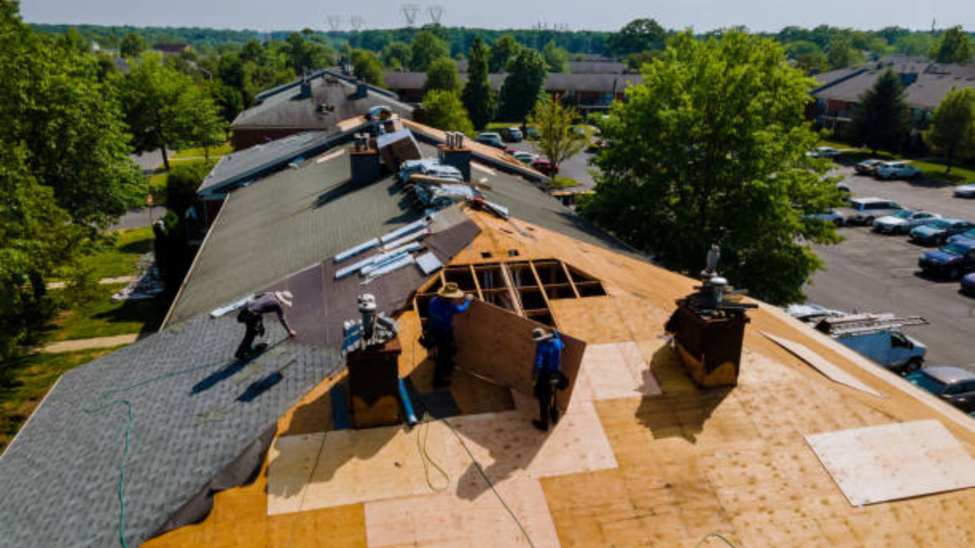
Choosing the right commercial roofing contractor requires verifying licensing, insurance coverage, experience, references, warranties, safety standards, and local expertise. Business owners should compare multiple proposals, review previous commercial projects, and ensure compliance with roofing insurance requirements. A reliable contractor will provide transparent pricing, detailed contracts, and proven experience with commercial roofing systems. Following a contractor checklist helps reduce financial risk, avoid poor workmanship, and ensure long-term roof performance.
When selecting a commercial roofing contractor, property owners must look beyond pricing alone. The quality of workmanship, industry certifications, insurance coverage, and local experience can significantly impact the lifespan and performance of a commercial roof. At Escandon Roofing, we understand that choosing the wrong contractor can lead to expensive repairs, project delays, and long-term structural issues. This guide explains how to evaluate contractors confidently and minimize risk when investing in commercial roofing El Paso services.
Why Choosing the Right Commercial Roofing Contractor Matters
A commercial roof is one of the most valuable assets of any business property. The contractor you hire directly affects the durability, safety, and performance of your roofing system.
Before making a decision, it’s important to understand the risks associated with hiring an unqualified contractor.
Risks of Hiring the Wrong Contractor
- Poor installation practices
- Premature roof failure
- Safety violations
- Unexpected project costs
- Warranty complications
- Insurance claim disputes
- Business operation disruptions
Selecting an experienced contractor helps prevent these issues and protects your investment for years to come.
Start With a Detailed Contractor Checklist
The most effective way to compare roofing professionals is by using a comprehensive contractor checklist.
A structured evaluation process helps property owners avoid emotional decisions and focus on qualifications that truly matter.
Essential Items on Your Contractor Checklist
- Valid state licensing
- Commercial roofing experience
- General liability insurance
- Workers’ compensation coverage
- Manufacturer certifications
- Written warranties
- Local references
- Safety training programs
- Project management process
- Detailed written estimates
A contractor that meets these requirements demonstrates professionalism and accountability.
Verify Licensing and Certifications
Licensing serves as an important indicator of legitimacy and industry compliance.
Before signing any agreement, verify that your contractor meets all applicable regulations and professional standards.
What to Look For
- Active business registration
- Compliance with local regulations
- Manufacturer-approved certifications
- Ongoing professional training
- Membership in roofing associations
Many property owners specifically search for licensed roofers TX because licensing demonstrates a commitment to industry standards and legal compliance.
Review Commercial Roofing Experience
Not all roofing contractors specialize in commercial projects.
Commercial roofing systems are significantly different from residential roofs and require specialized knowledge.
Questions to Ask About Experience
- How many commercial projects have you completed?
- What roofing systems do you install?
- Have you worked on buildings similar to mine?
- Can you provide project references?
- Do you have experience with occupied buildings?
Experience reduces mistakes and improves project efficiency.
Understand Roofing Insurance Requirements
Insurance verification is one of the most overlooked steps in contractor selection.
Proper coverage protects both the property owner and contractor if accidents occur during the project.
Key Roofing Insurance Requirements
- General liability insurance
- Workers’ compensation insurance
- Commercial vehicle coverage
- Umbrella liability policies
- Bonding where applicable
Request current certificates of insurance and verify coverage directly with the insurance provider when possible.
Compare Multiple Contractors Before Making a Decision
Many business owners choose the first estimate they receive.
However, conducting a roofing contractor comparison provides valuable insights into pricing, scope, and service quality.
Benefits of Comparing Contractors
- Better understanding of market pricing
- Improved project scope evaluation
- More competitive proposals
- Enhanced confidence in decision-making
- Reduced likelihood of hidden costs
A thorough roofing contractors comparison allows you to identify the contractor that provides the best overall value rather than simply the lowest bid.
Evaluate Safety Standards and Compliance
Safety performance reflects the professionalism of a roofing contractor.
Contractors with strong safety programs are less likely to experience accidents, delays, or regulatory issues.
Important Safety Factors
- OSHA compliance
- Employee safety training
- Fall protection systems
- Site safety inspections
- Documented safety procedures
A contractor’s safety record often indicates how seriously they take project management and quality control.
Ask for References and Past Project Examples
Previous projects provide real-world evidence of a contractor’s capabilities.
Reliable contractors should be willing to share references and showcase completed work.
What to Request
- Commercial client references
- Before-and-after photos
- Case studies
- Online reviews
- Long-term project performance examples
Speaking directly with former clients can provide valuable insights into communication, workmanship, and reliability.
Review Warranty Coverage Carefully
Warranties vary significantly between contractors.
Understanding warranty terms helps protect your investment after project completion.
Types of Roofing Warranties
- Manufacturer material warranty
- Contractor workmanship warranty
- System warranty
- Extended warranty options
Always request warranty details in writing and understand any maintenance requirements needed to maintain coverage.
Don’t Choose Based Solely on Price
Budget considerations are important, but selecting the lowest bidder can create significant long-term costs.
A low proposal may indicate shortcuts in materials, labor, safety procedures, or project management.
Why the Lowest Bid Can Be Risky
- Inferior materials
- Limited warranty coverage
- Inexperienced crews
- Hidden change orders
- Reduced quality control
Focus on overall value rather than initial project cost.
Look for Local Commercial Roofing Expertise
Local contractors often provide advantages that national companies cannot match.
They understand regional weather conditions, building codes, and permitting requirements.
Benefits of Hiring a Local Contractor
- Faster response times
- Better understanding of local regulations
- Established community reputation
- Easier warranty support
- Knowledge of El Paso climate conditions
Property owners searching for commercial roofing companies near me often prioritize local expertise because it contributes to more efficient project execution.
Communication and Transparency Matter
Strong communication helps ensure projects stay on schedule and within budget.
Contractors should provide clear expectations throughout every stage of the project.
Signs of Excellent Communication
- Prompt responses
- Detailed proposals
- Regular progress updates
- Transparent pricing
- Clear project timelines
Transparency reduces misunderstandings and improves overall project outcomes.
Final Decision-Making Checklist
Before signing a contract, review all critical factors one final time.
A careful evaluation process significantly reduces project risk.
Final Verification Steps
- Confirm licensing
- Verify insurance coverage
- Review references
- Compare multiple proposals
- Understand warranty terms
- Assess safety standards
- Evaluate communication quality
- Confirm project timeline
- Review contract details
- Verify local experience
Following this process helps ensure a successful roofing investment.
Conclusion
Choosing the right contractor for commercial roofing El Paso projects requires careful research, verification, and comparison. Property owners who prioritize licensing, experience, insurance coverage, safety practices, references, and communication are far more likely to achieve successful outcomes. By following a proven contractor checklist and understanding roofing insurance requirements, businesses can reduce risk and protect their investment. Escandon Roofing is committed to delivering dependable commercial roofing solutions backed by professional expertise and quality workmanship.
Contact us today to discuss your commercial roofing project and learn how our experienced team can help protect your property with confidence.
Frequently Asked Questions
1. How do I know if a commercial roofing contractor is reputable?
Check licensing, insurance, certifications, online reviews, references, and completed commercial projects. Reputable contractors provide detailed estimates and transparent communication.
2. Should a commercial roofing contractor be insured?
Yes. Contractors should carry general liability insurance and workers’ compensation coverage to protect property owners from potential liabilities.
3. How many estimates should I get for a commercial roofing project?
Most experts recommend obtaining at least three estimates to perform an accurate roofing contractor comparison and evaluate pricing, scope, and qualifications.
4. What questions should I ask a commercial roofing contractor?
Ask about licensing, insurance, experience, warranties, project timelines, safety procedures, references, and previous commercial projects.
5. Why is local commercial roofing experience important?
Local contractors understand regional weather conditions, building codes, permit requirements, and roofing challenges specific to the area, leading to more effective roofing solutions.
6. What is included in a commercial roofing estimate?
A professional estimate should include labor costs, materials, project scope, timelines, warranty information, cleanup procedures, and any potential additional costs.